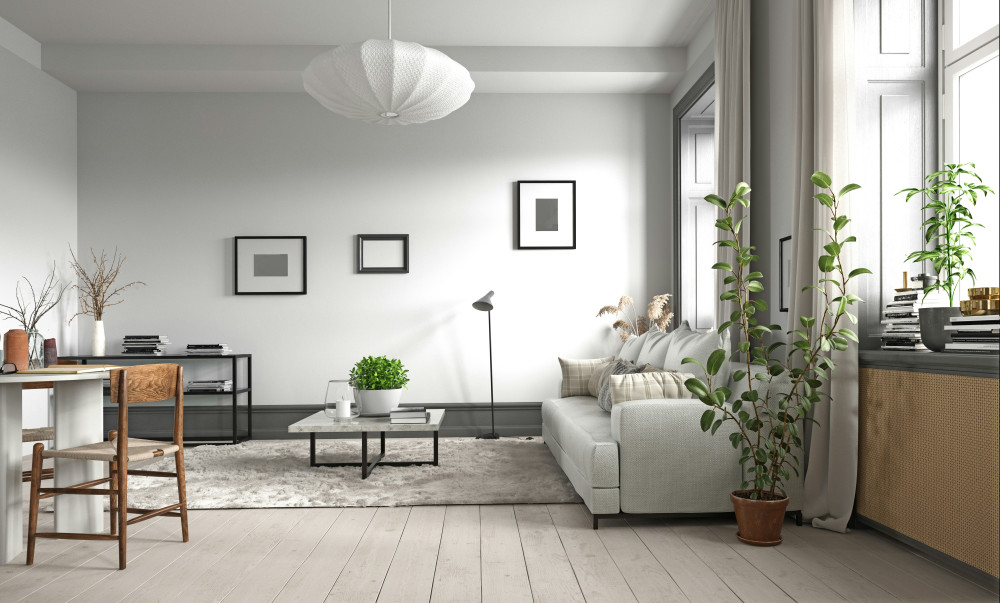
Create a Calm Space – How to Design a Home That Supports Mental Well-Being

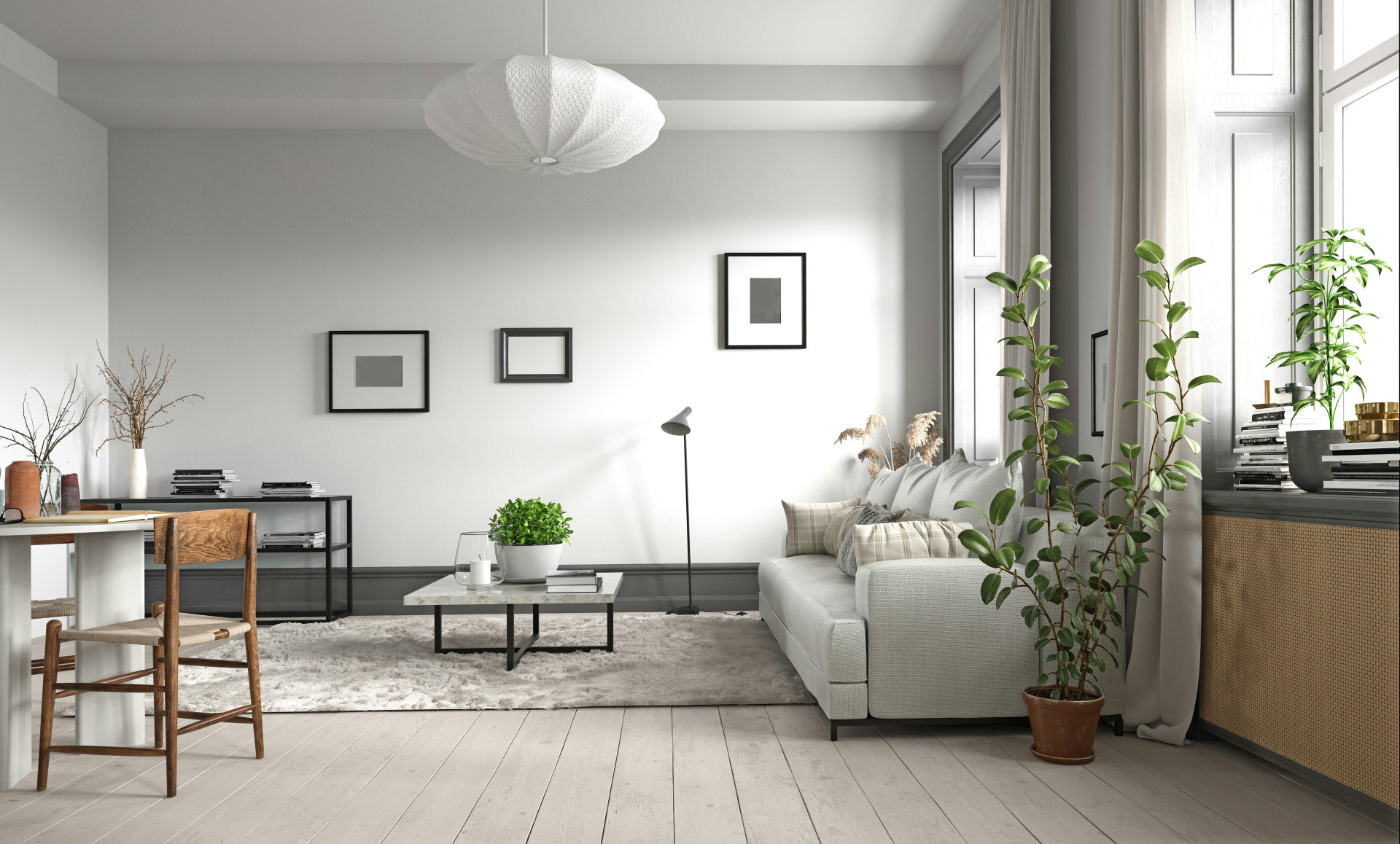
Create a Calm Space – How to Design a Home That Supports Mental Well-Being
In a world that often feels fast-paced, noisy, and full of distractions, our homes have become more than just places to live—they’re sanctuaries where we can recharge and find balance. The way we design and organize our living spaces can have a profound impact on our mental health. A calm home can help quiet the mind, reduce stress, and promote a sense of well-being. Here’s how to create a home that supports peace, comfort, and emotional balance.
Make Room for Calm – Physically and Mentally
A peaceful home starts with space—not necessarily more square footage, but a sense of openness and order. Clutter can make the mind restless, as the eye constantly catches on unfinished tasks and visual noise. Begin by decluttering the areas you use most. Keep only what you need or truly love.
Think about how you move through your home. Are there spots where clutter tends to build up—like the entryway or kitchen counter? Simple solutions such as a basket for mail, hooks for coats, or a tray for keys can make a big difference. When everything has a place, your mind can rest more easily.
Choose Colors That Soothe
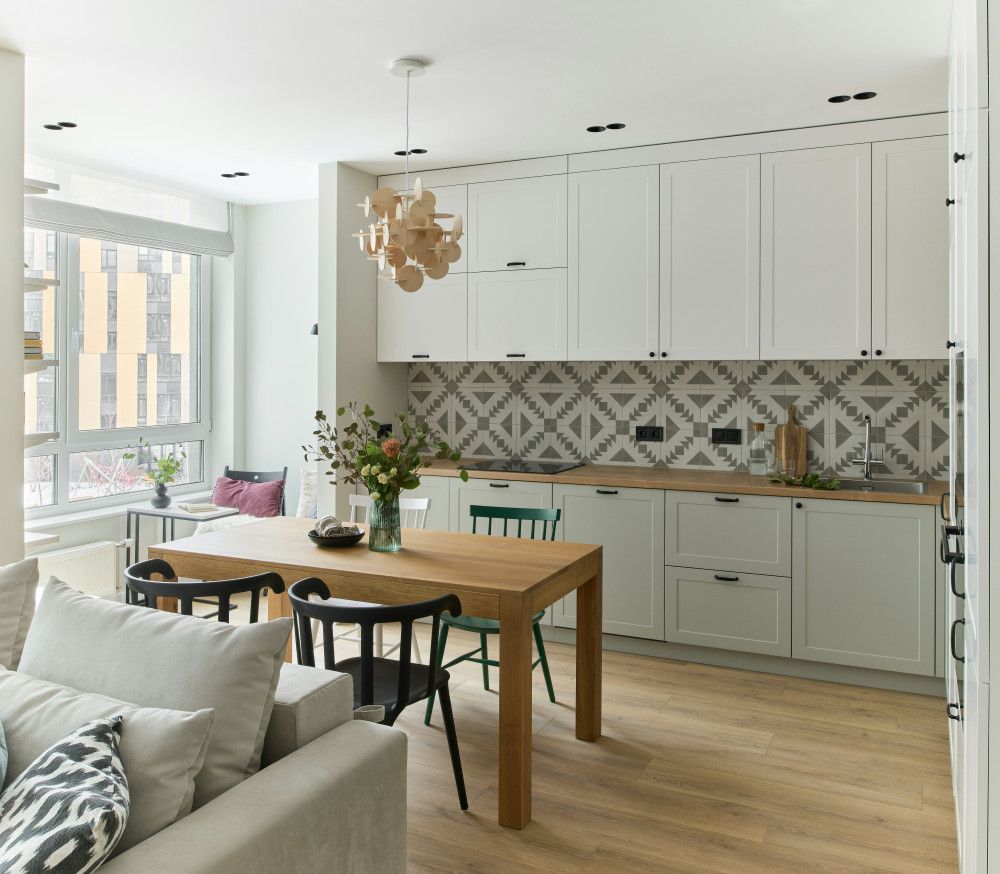
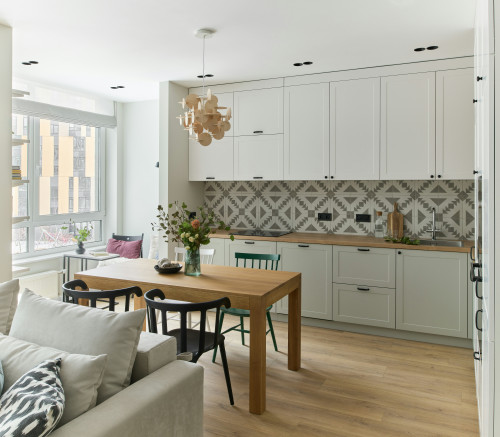
Color has a powerful influence on mood. To create a calming atmosphere, choose soft, natural tones—muted blues, gentle greens, warm neutrals, and earthy shades. These colors can help lower stress and make a room feel more grounded.
That doesn’t mean your home has to be colorless. A single accent—a piece of art, a throw pillow, or a vase in a favorite hue—can bring personality without overwhelming the space. The goal is harmony: too many contrasts can feel chaotic, while balanced tones invite relaxation.
Light, Air, and Nature
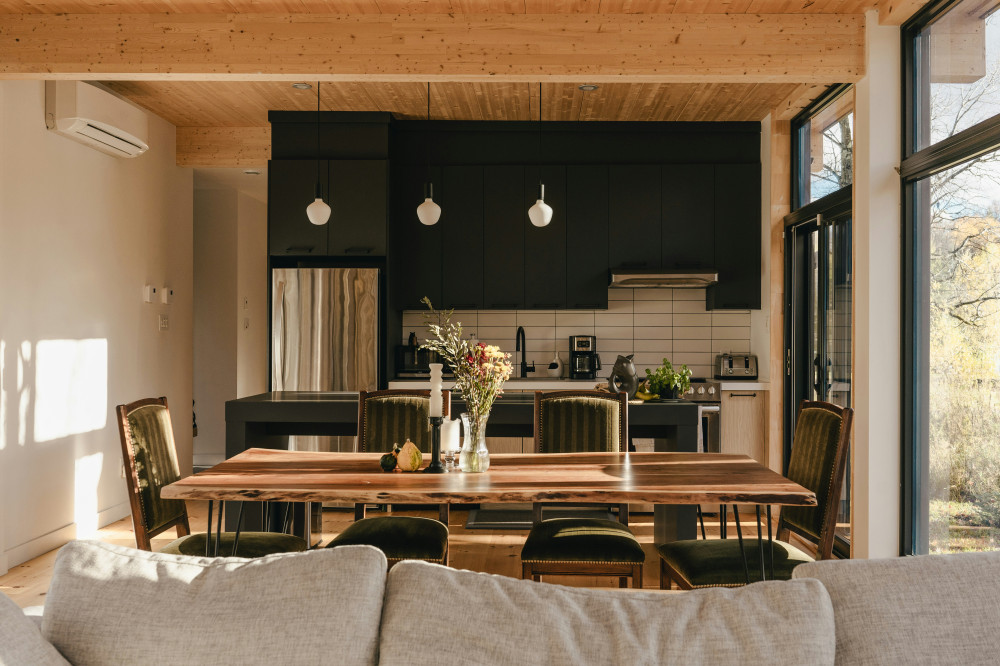
Light is one of the most important elements for mental well-being. Let natural light fill your rooms whenever possible. Keep window treatments light and airy, and use mirrors to reflect sunlight deeper into your space. In the evening, switch to warm, layered lighting—table lamps, floor lamps, and candles—to create a soft, comforting glow.
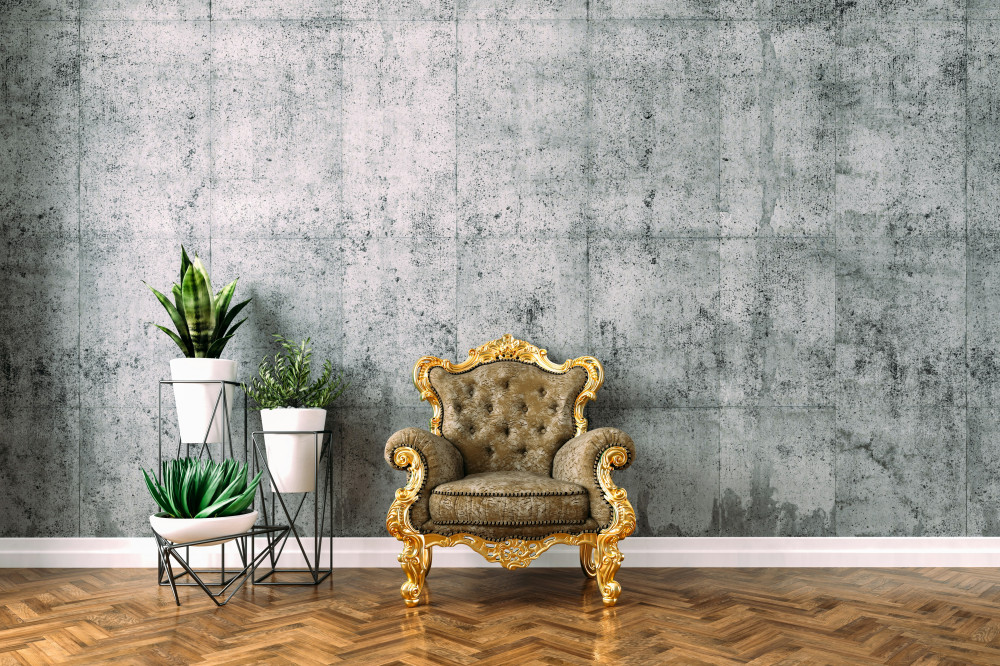
Bringing nature indoors is another simple way to nurture calm. Houseplants not only purify the air but also add life and texture. Even a few green touches—a fern on a shelf, herbs in the kitchen, or a small succulent on your desk—can make your home feel more alive and peaceful.
Materials That Speak to the Senses
When designing for calm, think about how things feel as much as how they look. Natural materials like wood, cotton, wool, clay, and stone create warmth and a sense of authenticity. Avoid too many synthetic surfaces, which can feel cold or impersonal.
Textiles play a big role, too. A soft rug underfoot, cozy blankets, or curtains that gently filter light can make a room feel more inviting. The goal is to create a space that engages your senses in a soothing way—where your body instinctively relaxes.
Mindful Design, Not Minimalism
Creating a calm home doesn’t mean stripping everything away. It’s about being intentional with what you keep. Ask yourself whether each item adds value, comfort, or joy. If it doesn’t, consider letting it go.
A peaceful home isn’t about perfection—it’s about meaning. A family photo, a handmade mug, or a book you love can all contribute to a sense of belonging. The key is balance: enough to feel personal, but not so much that it feels overwhelming.
Create Small Zones of Peace
Even in a busy household, you can carve out small areas that invite calm. A reading nook with a comfortable chair and soft lighting, a corner with plants and candles, or a tidy desk for focused work can all serve as mini sanctuaries.
Pay attention to sound as well. Gentle background music, the hum of nature sounds, or even intentional silence can help slow your pace. Try turning off the TV or radio for parts of the day—quiet moments give your mind space to rest and reset.
A Home That Supports Your Everyday Life
A calm home isn’t just about aesthetics—it’s about function. When your space works well, you spend less time searching for things and more time enjoying your day. Smart storage, simple routines, and thoughtful organization can free up mental energy and reduce daily stress.
Think about how your home can support your habits and well-being. Maybe it’s a dedicated spot for morning meditation, a cozy chair for coffee, or a workspace that makes remote work more comfortable. Small adjustments can have a big impact on how you feel.
Læs også:
Calm Begins with Awareness
Designing a home that supports mental well-being starts with awareness—of how your surroundings affect your mood, focus, and energy. When you create a space that feels safe, uncluttered, and sensory-friendly, you give yourself the foundation for inner calm.
A peaceful home isn’t an end goal—it’s a way to live more mindfully. It’s a place where you can breathe deeply, slow down, and reconnect with yourself. In a world that rarely stops moving, that sense of calm is one of the greatest comforts you can create.
Læs også: