Sportswear vs. Casual Wear – Differences in Function and Design

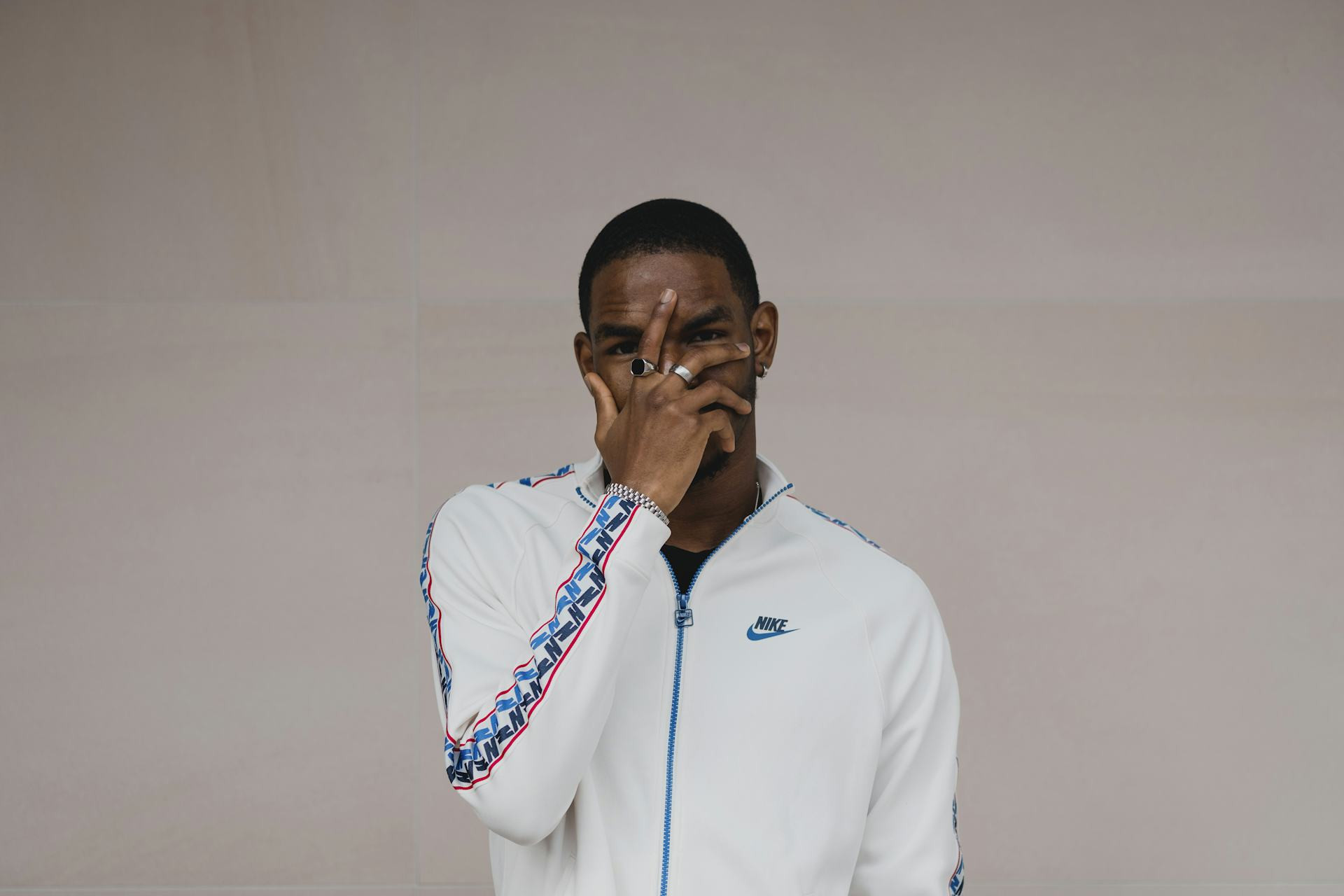
Sportswear vs. Casual Wear – Differences in Function and Design
In today’s fashion landscape, the line between sportswear and casual wear has become increasingly blurred. It’s common to see people wearing leggings to the grocery store, sneakers at the office, and hoodies both for workouts and lounging. Yet, despite their similar looks, there are key differences in function, materials, and design philosophy. Let’s take a closer look at what sets sportswear apart from casual wear—and why it still matters to know the difference.
Function First – The Purpose of Sportswear
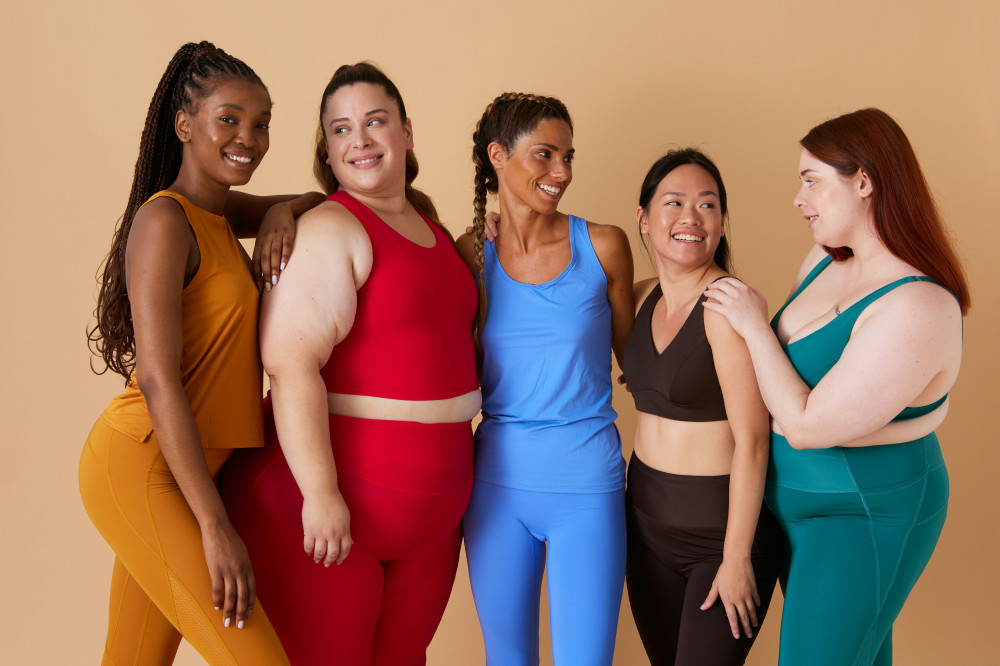
Sportswear is designed with one goal in mind: performance. Every element—from fabric choice to seam placement—is meant to support movement, manage sweat, and provide comfort during physical activity. Functionality is the foundation of its design.
Modern sportswear often uses technical fabrics such as polyester, spandex, and nylon. These materials are lightweight, quick-drying, and breathable, helping to regulate body temperature and wick away moisture. Flat seams reduce chafing, and the fit is engineered to move with the body without restricting it.
Sportswear is also activity-specific. Running gear, cycling apparel, yoga outfits, and gym wear each have unique requirements—compression for support, stretch for flexibility, or ventilation for cooling. A pair of running tights, for example, won’t necessarily perform well for weight training, and a cycling jersey isn’t ideal for yoga.
Casual Wear – Comfort and Style for Everyday Life
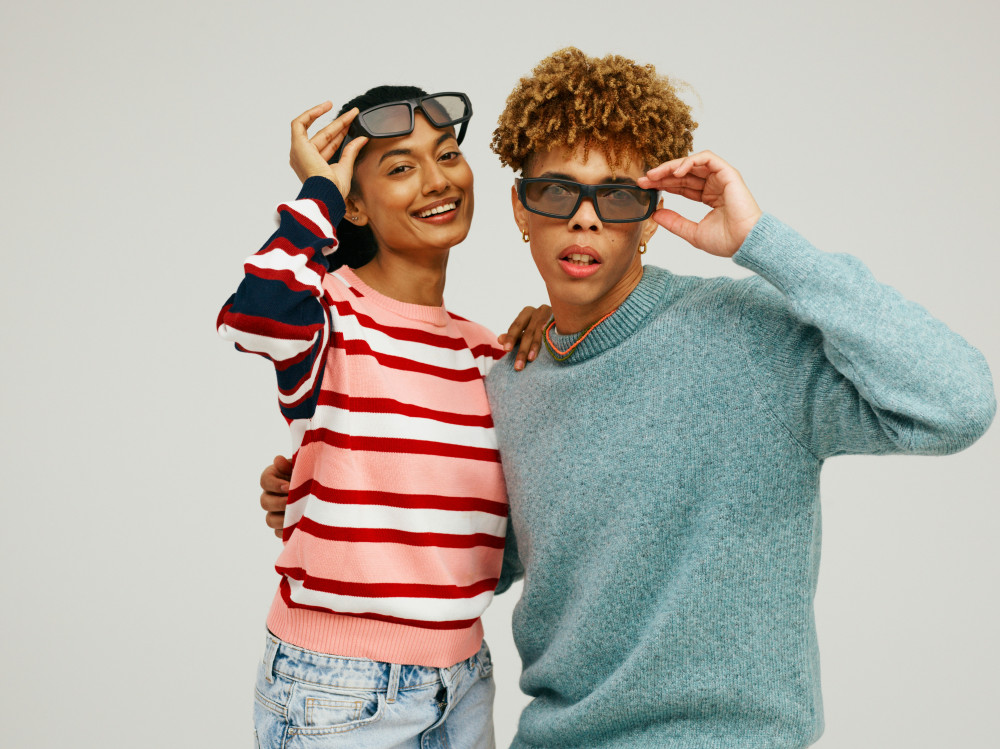
Casual wear, on the other hand, focuses more on comfort and personal expression than on athletic performance. It’s clothing meant to feel good and look good in everyday settings. Materials are often softer and more natural—think cotton, wool, or linen—and the design is guided by fashion trends rather than sports functionality.
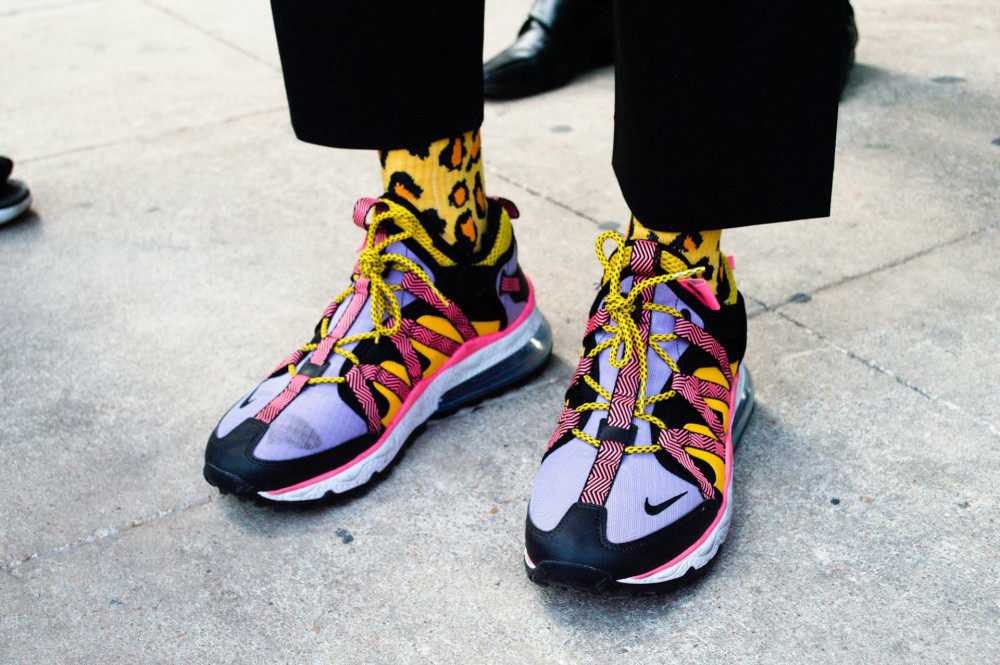
While casual wear can borrow from athletic aesthetics, such as joggers, hoodies, and sneakers, these pieces are typically made from heavier, less technical fabrics. They’re designed for relaxation and social occasions, not for high-intensity movement.
When the Lines Blur – The Rise of Athleisure
In recent years, the “athleisure” trend—a blend of “athletic” and “leisure”—has made it harder to distinguish between sportswear and casual wear. Athleisure combines the performance features of sportswear with the style and versatility of everyday fashion. The result is clothing that transitions seamlessly from the gym to brunch.
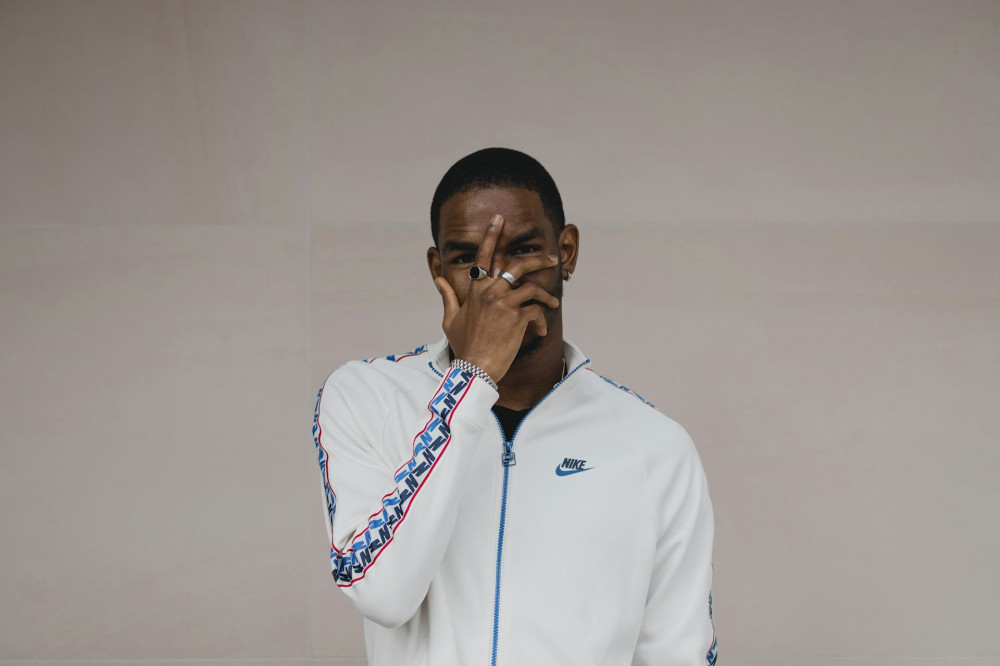
Athleisure has become a cultural norm in the U.S., reflecting a lifestyle that values health, comfort, and convenience. Leggings, performance sneakers, and sleek workout tops are now staples in many wardrobes. Brands like Nike, Lululemon, and Athleta have built entire collections around this hybrid approach, merging technical innovation with modern design.
Design Differences – Details That Matter
Even when sportswear and casual wear look similar, the details reveal their true purpose. Sportswear typically features:
- Reflective elements and ventilation zones for safety and comfort during workouts.
- Stretchy, moisture-wicking fabrics that keep the body dry.
- Ergonomic cuts and seams that support movement and reduce friction.
Casual wear, by contrast, often includes:
- Relaxed fits that prioritize comfort over performance.
- Decorative details such as embroidery, prints, or trendy silhouettes.
- Soft, natural materials that feel cozy but lack technical properties.
In short, sportswear is built to perform, while casual wear is built to express and relax.
Læs også:



Choosing What’s Right for You
The right choice depends on how you plan to use your clothing. For exercise, running, or any physical activity, sportswear is essential—it enhances comfort, supports your body, and can even improve performance. For downtime, social outings, or travel, casual wear offers the comfort and style you need.
Many people today opt for a mix: performance-oriented pieces that also look good outside the gym. This flexibility makes it easier to move between activities without changing your entire outfit.
A New Balance Between Function and Fashion
Advances in fabric technology and design have made sportswear more stylish than ever, while casual wear has adopted a sportier edge. The boundary between the two categories continues to fade—but their functional differences remain.
Understanding those differences isn’t about choosing sides; it’s about making informed choices. When you know what your clothes are designed for, you get better comfort, longer durability, and a look that fits the moment—whether you’re heading to a workout or just enjoying a laid-back day.
Læs også: