Cuts and Proportions – How a Dress’s Design Shapes Your Silhouette


Cuts and Proportions – How a Dress’s Design Shapes Your Silhouette
When choosing a dress, it’s not just about color or print – the cut and proportions play a crucial role in how the dress highlights or balances your body shape. The right design can create harmony, elongate your figure, define your waist, or soften your curves. Here’s a guide to how different cuts and proportions influence your silhouette – and how you can use them to your advantage.
What Do “Cut” and “Proportion” Mean?
The cut refers to how a dress is shaped and constructed – its lines, fit, and structure. Proportion describes the relationship between the different parts of the dress: length, waist placement, sleeves, neckline, and volume. Together, they create a visual effect that can change how your body is perceived.
A good cut works with your body, not against it. It’s not about hiding, but about creating balance and emphasizing what you love most about your figure.
The Power of Lines – Vertical, Horizontal, and Diagonal
The lines in a dress guide the eye and influence how we perceive proportions.
- Vertical lines – such as seams, pleats, or button plackets – make the body appear longer and leaner. They create a sense of height and elegance.
- Horizontal lines – like belts, color blocks, or hem details – can add width. They’re great for balancing proportions, for example, if you want to add volume to your upper body or highlight your hips.
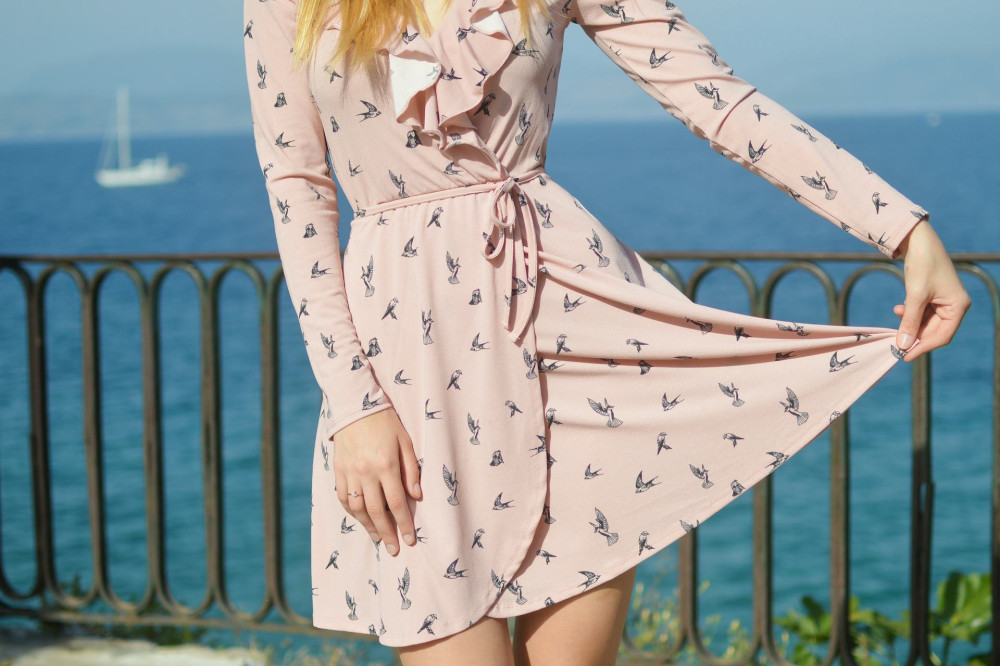
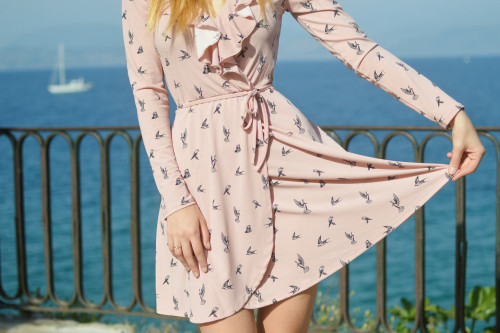
- Diagonal lines – such as wrap cuts or asymmetrical hems – add movement and energy. They break up boxy shapes and draw the eye across the body, creating a dynamic look.
By combining lines intentionally, you can control where attention is drawn.
The Waistline – The Key to Proportion
The waistline is one of the most defining elements of a dress, and its placement dramatically affects how your body looks.
- High waist (empire cut) makes the legs appear longer and gives a light, graceful look. It’s ideal for petite figures or anyone who wants to emphasize the bust.
- Natural waist follows your body’s own proportions and creates a classic, feminine shape. It suits most body types and can be accentuated with a belt.
- Low waist elongates the torso and gives a relaxed, bohemian vibe. It works well for taller figures or those who want to downplay the hips.
Even small adjustments to the waistline can shift the entire balance of a dress.
Length and Volume – How the Dress Moves
The length and fullness of a dress affect both proportion and movement.
- Short dresses highlight the legs and create a youthful, playful look. They work best when the cut is simple and balanced.
- Midi length – around the knee or calf – is versatile and elegant. Depending on the fabric, it can look either classic or modern.
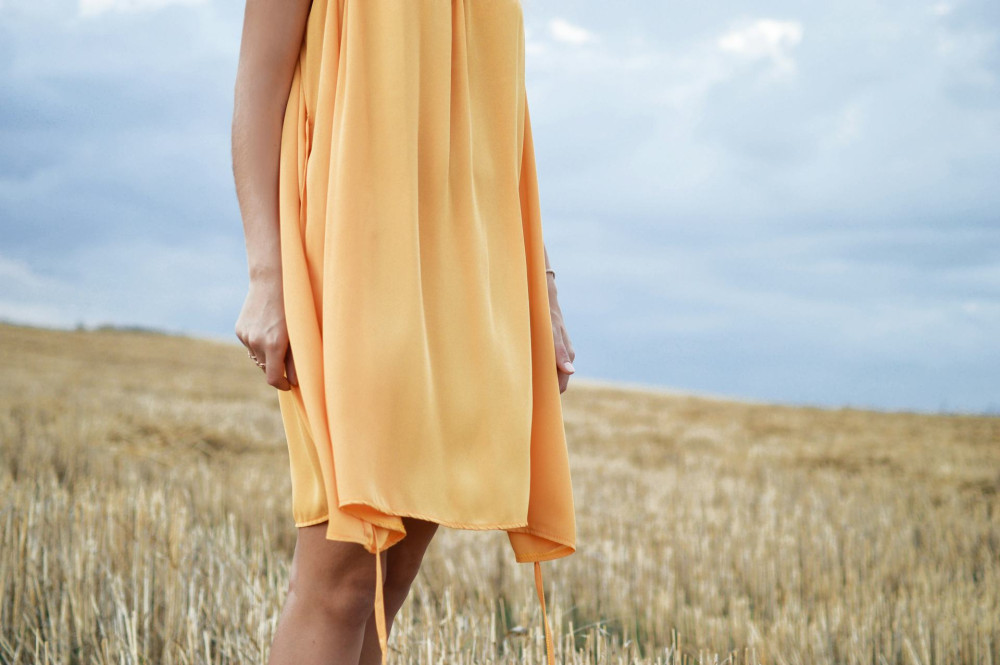
- Maxi dresses create a flowing, dramatic effect. They can elongate the silhouette, especially when they have a defined waist or a soft drape.
Volume also matters: a flared skirt can create an hourglass shape, while a straight cut gives a minimalist, contemporary feel. The goal is to find the balance that fits your body and your personality.
Necklines and Sleeves – Small Details, Big Impact
The neckline and sleeve design can subtly change how your shoulders and upper body appear.
- V-necklines elongate the neck and draw the eye toward the center, creating a slimming effect.
- Round or boat necklines emphasize the shoulders and can add width to the upper body, balancing a pear-shaped figure.
- Sleeveless cuts feel light and summery, while ruffled or puffed sleeves add volume and a touch of romance.
These details can be used strategically to balance your proportions and highlight your favorite features.
Læs også:


Fabric and Drape – Movement as a Design Tool
Even the best cut can look completely different depending on the fabric. A structured material like denim or wool holds its shape and defines the design’s lines, while lighter fabrics like chiffon or rayon flow softly and move with the body.
A firm fabric emphasizes structure; a fluid one creates softness and motion. When choosing a dress, consider both cut and fabric – they should work together to create the silhouette you want.
Finding Your Balance – and Your Style
There’s no universal rule for what “flatters” a particular body type. What matters most is how you feel in what you wear. Understanding how cuts and proportions shape your silhouette gives you the language to choose intentionally – not to hide, but to highlight what makes your style unique.
A dress is more than clothing – it’s architecture in motion. When cut, proportion, and personality come together, the result is a kind of effortless elegance that’s less about fashion trends and more about balance.
Læs også: