Elastic Materials and Efficient Running Form – How They’re Connected

Elastic Materials and Efficient Running Form – How They’re Connected
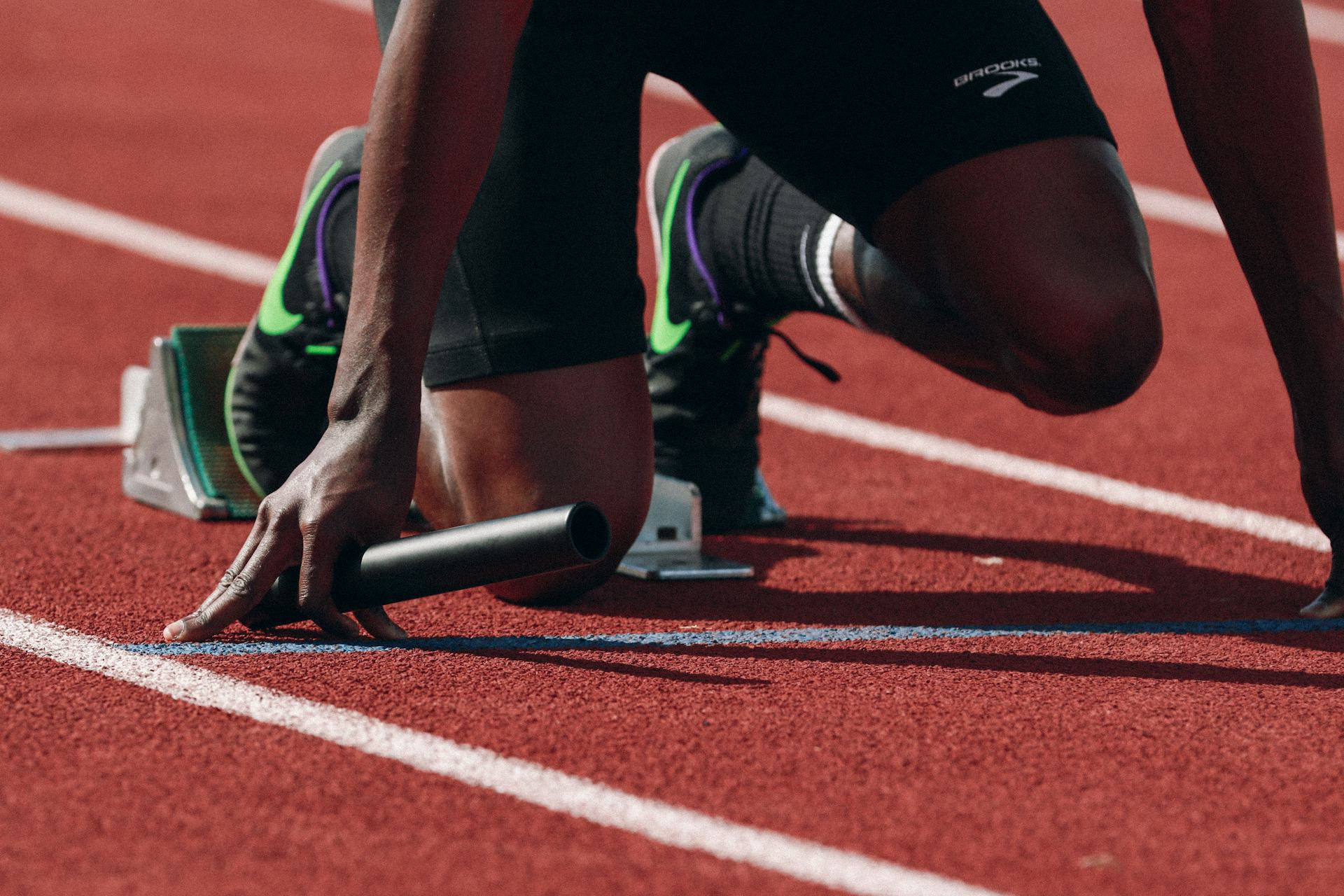
When you pull on a pair of sleek running tights or lace up lightweight shoes, you might not think much about the fabric itself. Yet the elasticity of your gear plays a major role in how comfortably and efficiently you move. As sportswear technology evolves, the line between clothing and performance equipment keeps blurring. Let’s take a closer look at how elastic materials influence your running form—and why choosing the right ones can make a real difference.
What Does Elasticity Really Mean?
Elasticity refers to a material’s ability to stretch and return to its original shape. In running apparel, that means the fabric moves with your body instead of against it. The most common elastic fiber is spandex (also known as elastane or Lycra), often blended with polyester or nylon to balance flexibility, durability, and breathability.
When you run, your muscles contract and release in rhythmic patterns. Elastic fabrics adapt to these movements, reducing resistance and allowing your body to move naturally. Over the course of a long run, that freedom of movement can translate into less wasted energy and greater comfort.
Compression and Support – More Than a Tight Fit
Many runners associate elastic materials with compression gear—and for good reason. Compression zones in tights or socks can improve circulation and reduce muscle vibration, which may help limit fatigue and lower the risk of injury. The elastic structure provides gentle support to muscles and joints without restricting motion.
Research suggests that compression gear doesn’t necessarily make you faster, but it can enhance recovery and create a more stable, supported feel while running. For many athletes, that sense of stability and comfort is reason enough to wear it.
Running Economy and Freedom of Movement
An efficient running form is all about conserving energy—using as little effort as possible with each stride. Elastic materials play an indirect but important role here. If your clothing is too stiff or restrictive, it can alter your posture and movement patterns. Well-fitted, stretchy apparel supports natural body rotation and hip mobility, helping your stride feel smoother and more fluid.
Upper-body flexibility matters too. Shirts made with four-way stretch fabrics allow your arms to swing freely, maintaining rhythm and balance. That freedom can make a noticeable difference, especially on longer runs.
Moisture Management and Temperature Control
Elasticity isn’t just about movement—it’s also about comfort. Modern elastic fabrics are often combined with moisture-wicking fibers that pull sweat away from the skin, keeping you dry and reducing irritation. Because elastic garments fit close to the body, they also help regulate temperature by efficiently transferring heat away.
In cold weather, elastic base layers trap warmth while still allowing mobility. In summer, lightweight, stretchy fabrics promote ventilation and quick drying. This versatility makes elastic materials ideal for year-round training.
Læs også:


How to Choose the Right Elastic Running Gear
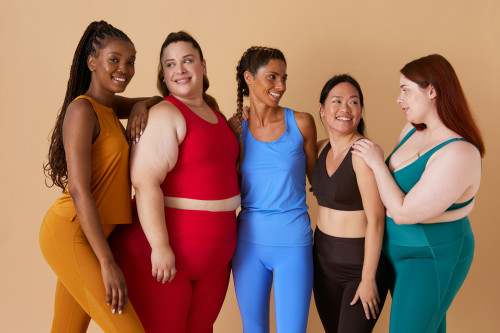
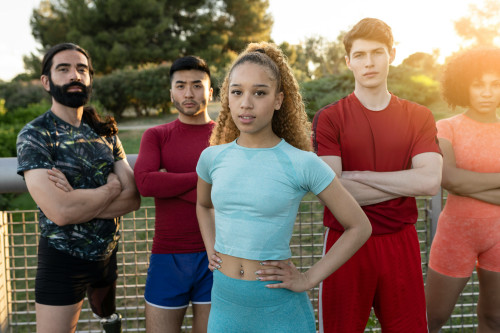
When shopping for running apparel, it’s worth looking beyond color and style to focus on fabric performance. Here are a few tips:
- Check the fabric blend: A small percentage of spandex (around 10–20%) is usually enough for good stretch and freedom of movement.
- Test the fit: The clothing should feel snug but not restrictive. Move around—bend, stretch, jog in place—to see how it responds.
- Match the gear to your workout: Compression pieces can offer extra support for speed sessions or races, while looser fits may feel better for long, easy runs.
- Consider the climate: Choose lightweight, breathable fabrics for warm weather and warmer, moisture-managing layers for winter.
The best elastic running gear should feel like an extension of your body—supportive, flexible, and distraction-free.
Technology and the Future of Running Apparel
Innovation in elastic materials is moving fast. New bio-based spandex fibers and recyclable textiles are emerging, and brands are experimenting with weaves that provide targeted support to specific muscle groups. Seamless construction is also becoming more common, reducing friction and improving comfort.
Looking ahead, we may see running clothes that combine elasticity with smart sensors capable of tracking movement, heart rate, and muscle activity directly through the fabric. In other words, your gear won’t just move with you—it will learn from you.
Conclusion: Small Details, Big Impact
Elasticity in running apparel isn’t just about comfort—it’s about efficiency. When your clothing works with your body instead of against it, you move more freely, conserve energy, and stay focused on your run. It’s a reminder that sometimes, the smallest details—like the stretch in your tights—can make the biggest difference.
Læs også: