From Function to Fashion: The Belt’s Evolution Through History


From Function to Fashion: The Belt’s Evolution Through History
Today, the belt is a staple in wardrobes across the United States—a small accessory that can be both practical and expressive. Yet behind this familiar strip of leather or fabric lies a long and fascinating story that stretches from ancient necessity to modern fashion statement. The belt’s evolution reveals not only changing styles but also shifting ideas about identity, status, and culture.
From Utility to Symbol
The earliest belts were purely functional. In ancient civilizations—from Mesopotamia to Egypt and Greece—belts held garments in place and served as a means to carry tools, weapons, or pouches. For Roman soldiers, the cingulum militare was more than a piece of equipment; it was a badge of honor and discipline, symbolizing their role and rank within the empire.
Throughout the Middle Ages, belts continued to serve both practical and symbolic purposes. Craftsmen and farmers used sturdy leather belts to hold tools, while nobles wore ornate versions made of metal, silk, or embroidered fabric. The more elaborate the belt, the higher one’s social standing.
Læs også:




Renaissance and Baroque: Ornament and Prestige
As fashion evolved during the Renaissance, belts became increasingly decorative. Both men and women wore belts adorned with gemstones, gold, and intricate buckles. They were not just accessories but visible markers of wealth and taste.
By the Baroque and Rococo periods, men’s tailored coats and waistcoats reduced the need for belts, while women continued to use them—or belt-like ribbons and sashes—to emphasize the waist. The belt had shifted from a tool to a symbol of refinement and elegance.
The 19th Century: Function Returns
The Industrial Revolution brought practicality back into focus. Soldiers, railroad workers, and laborers relied on belts to carry tools and keep trousers secure. Around this time, tailors began adding belt loops to pants, cementing the belt’s place in men’s fashion.
For women, the late 1800s introduced belts as part of sportswear and leisure clothing. Freed from restrictive corsets, women embraced belts as a way to define the waist while maintaining comfort and mobility—a reflection of broader social changes and new freedoms.
The 20th Century: From Uniform to Runway
After World War I, the belt became a symbol of modernity. Military uniforms inspired streamlined, functional designs that influenced civilian fashion. By the mid-20th century, belts were everywhere—from the wide leather cinches of the 1950s that highlighted hourglass silhouettes to the slim, minimalist belts of the 1960s youth culture.
American designers and brands helped turn the belt into a luxury item. The buckle became a logo, and the belt a statement of identity. Western-style belts with engraved buckles celebrated cowboy heritage, while sleek designer belts signaled urban sophistication. No longer just a necessity, the belt had become a cultural icon.
Today’s Belt Trends: Expression and Sustainability
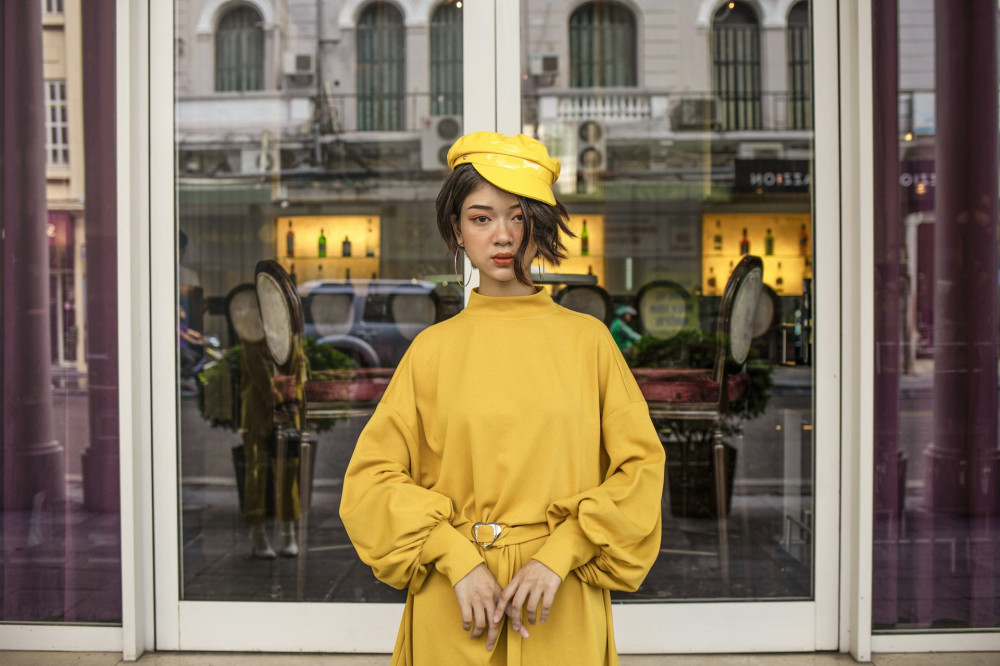
In contemporary fashion, the belt is as versatile as ever. It can define shape, break up proportions, or add a touch of personality to an outfit. From classic leather belts in business attire to bold, oversized streetwear versions, the accessory continues to evolve.
Sustainability has also entered the picture. Many American brands now craft belts from recycled leather, cork, or plant-based materials. Vintage belts are making a comeback, appealing to those who value both style and conscious consumption.
A Small Piece of Style History
The belt’s journey—from a simple strap of leather to a symbol of individuality and design—mirrors the broader story of fashion itself. Whether it’s a rugged work belt, a Western buckle, or a sleek designer piece, every belt tells a story of craftsmanship, culture, and personal expression.
Læs også: