From Nature’s Ingredients to Modern Formulas – The History and Evolution of Beauty Products

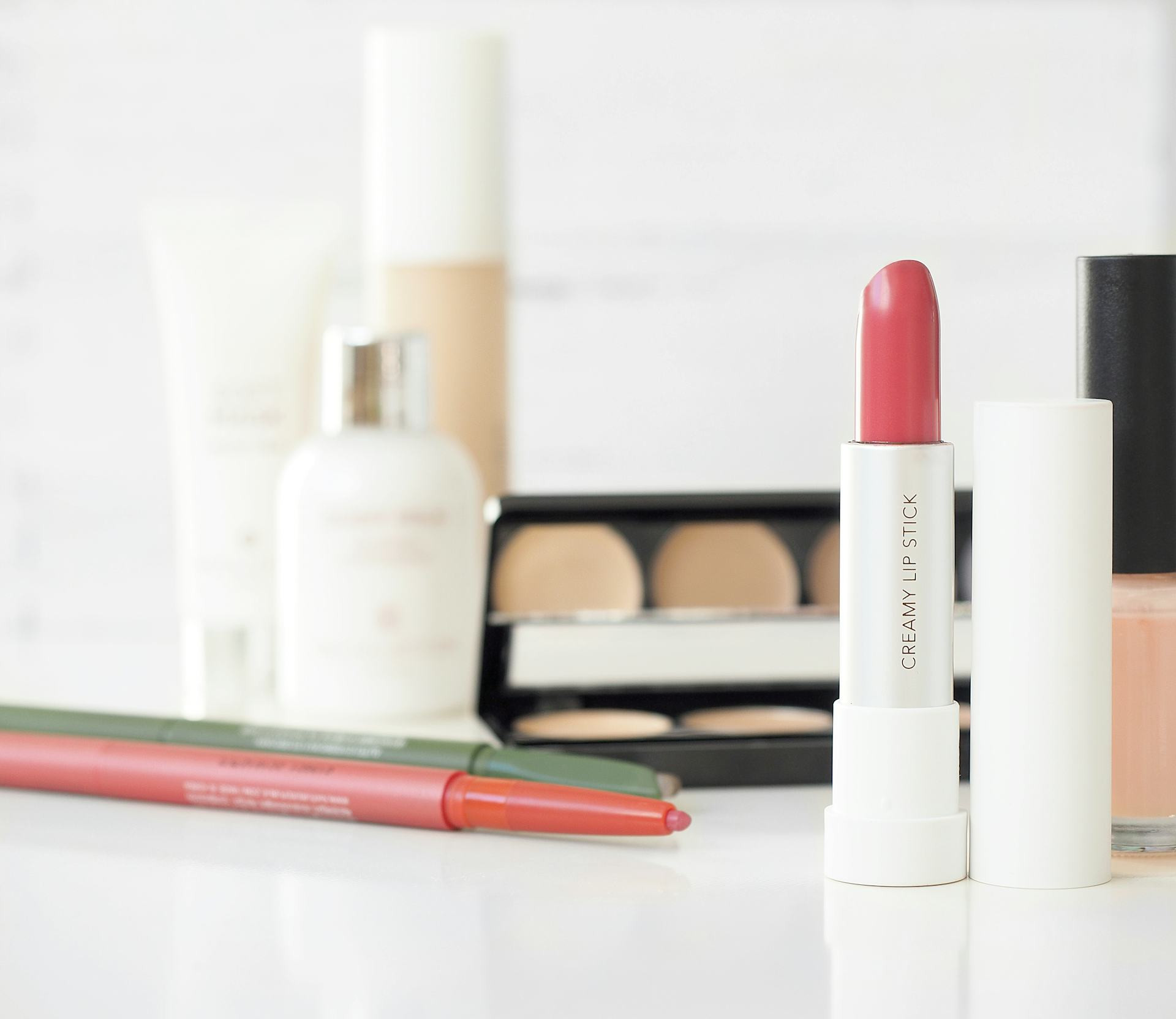
From Nature’s Ingredients to Modern Formulas – The History and Evolution of Beauty Products
From honey and olive oil in ancient Egypt to today’s lab-developed serums, the story of beauty products is one of culture, science, and humanity’s timeless desire to care for and enhance itself. Across centuries, ideals, technology, and knowledge have evolved, but the wish to feel comfortable and confident in one’s own skin has remained constant. Here’s a look at how beauty care has transformed from nature’s simple ingredients to the advanced formulas of today.
Beauty in Ancient Times – Nature’s Own Remedies
The earliest beauty products came straight from nature. In ancient Egypt, both men and women used oils, waxes, and minerals to protect their skin from the sun and to accentuate their features. Cleopatra is famously said to have bathed in milk to soften her skin, while olive oil and honey were used as natural moisturizers.
In ancient Greece and Rome, beauty was closely tied to health and harmony. Herbs, wine, and clay were used in masks and baths, and perfumes became an essential part of personal care. Many of these ingredients—like aloe vera, rose oil, and beeswax—are still found in modern skincare today.
The Middle Ages and Renaissance – Beauty as a Symbol of Status
During the Middle Ages, beauty ideals were shaped by religion and social class. Pale skin was associated with purity and nobility, while tanned skin suggested outdoor labor. To achieve a lighter complexion, women often used powders made from chalk or even lead—a dangerous trend that could cause serious health problems.
In the Renaissance, cosmetics once again became a sign of wealth and sophistication. Perfumes and creams were imported from the Middle East, and recipes for beauty treatments circulated among Europe’s elite. While many ingredients remained natural—flowers, herbs, and oils—they were increasingly combined with early chemical experiments.
Læs også:

Industrialization and Science – The Birth of Modern Cosmetics
The 19th century marked a turning point. With industrialization came new ways to produce goods on a larger scale, and chemists began developing more stable and long-lasting formulas. Soap, shampoo, and creams became accessible to ordinary people, not just the wealthy.
By the early 20th century, the first major cosmetic brands emerged, blending scientific research with marketing to create a new industry. Hygiene and health became part of the beauty ideal—clean skin and well-groomed hair were seen as signs of modernity and progress.
Postwar America – Beauty for Everyone
After World War II, the beauty industry changed dramatically. New materials like plastics and synthetic fragrances made products cheaper and more widely available. Advertisements in magazines and on television helped shape trends, and beauty became an expression of individuality and lifestyle.
In the 1960s and 70s, natural beauty made a comeback. Herbal and organic products gained popularity, and consumers began questioning artificial additives. This movement laid the foundation for the “green” beauty wave that continues to influence the industry today.
Today’s Beauty Products – Where Technology Meets Nature
Today, the beauty industry is one of the most innovative in the world. Scientists work with biotechnology, plant extracts, and advanced peptides to create products that nourish and protect the skin. At the same time, there’s growing demand for sustainability, transparency, and natural ingredients.
Many modern brands combine the best of both worlds: nature’s raw materials and scientific precision. Ingredients like hyaluronic acid, vitamin C, and probiotics have become household names, and consumers are more informed than ever about what they apply to their skin.
The Future of Beauty – Personalized and Sustainable
The future points toward even more personalized solutions. Artificial intelligence and DNA analysis are already being used to tailor skincare to individual needs, while refillable packaging and waterless formulas are gaining traction. Beauty is no longer just about appearance—it’s about wellness, ethics, and environmental responsibility.
From the first oils and herbs to today’s high-tech laboratories, the history of beauty products reflects humanity’s ongoing quest to understand and enhance itself. It’s a story that mirrors our cultural values and technological progress—and one that will continue to shape how we define beauty in the years to come.
Læs også: