From Oxfords to Derbies: Classic Men’s Shoes Through the Ages

From Oxfords to Derbies: Classic Men’s Shoes Through the Ages
For more than a century, classic men’s shoes have stood as symbols of style, craftsmanship, and character. From the formal Oxford to the more relaxed Derby, each design tells a story of fashion, function, and culture. Today, these shoes are more than just footwear—they’re an expression of taste, tradition, and individuality. Here’s a look at the most iconic styles and how they’ve evolved through the years.
From Function to Refinement
The modern men’s dress shoe traces its roots back to 19th-century England, when footwear was primarily utilitarian—built to protect the feet from the elements. But as industrialization and modern menswear took hold, shoes began to serve a new purpose: they became a mark of social standing and sophistication.
As tailored suits and formal attire became the standard among the upper classes, the need arose for shoes that matched this refined aesthetic. Enter the Oxford.
The Oxford – The Epitome of Formal Elegance
The Oxford is the quintessential dress shoe, defined by its closed lacing system, where the eyelets are stitched under the vamp. This construction gives the shoe a sleek, clean silhouette—perfect for pairing with a suit or tuxedo.
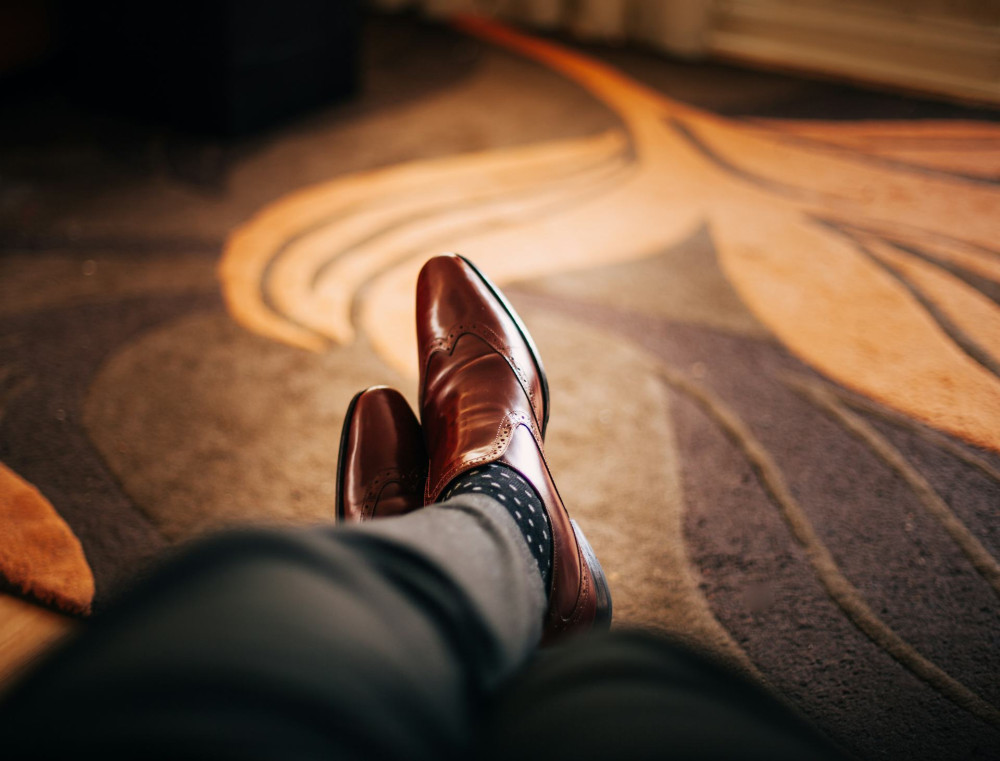
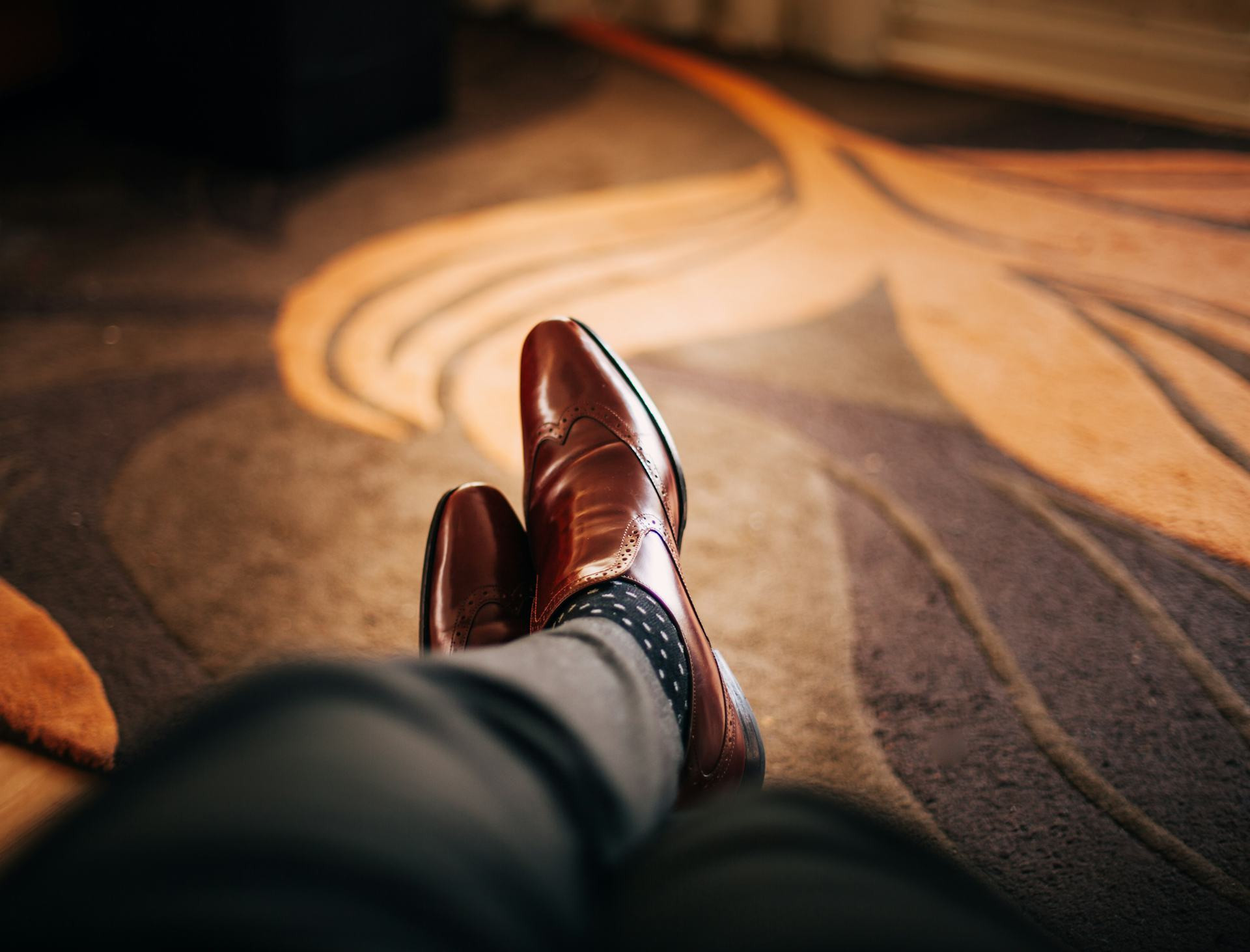
The style takes its name from the University of Oxford, where it gained popularity in the 1800s among students seeking a modern alternative to the high boots of the time. It quickly became a symbol of academic and social polish, and it remains a cornerstone of the well-dressed man’s wardrobe.
Today, Oxfords come in many variations—from the classic black cap toe to more decorative brogued versions. What unites them all is their timeless shape and unmatched versatility.
Læs også:


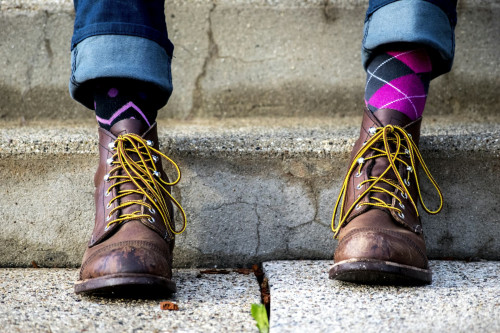

The Derby – The Relaxed Gentleman’s Choice
If the Oxford is formal and structured, the Derby is its more open and adaptable counterpart. With an open lacing system—where the eyelets are sewn on top of the vamp—the Derby offers more room and comfort, making it easier to slip on and off.
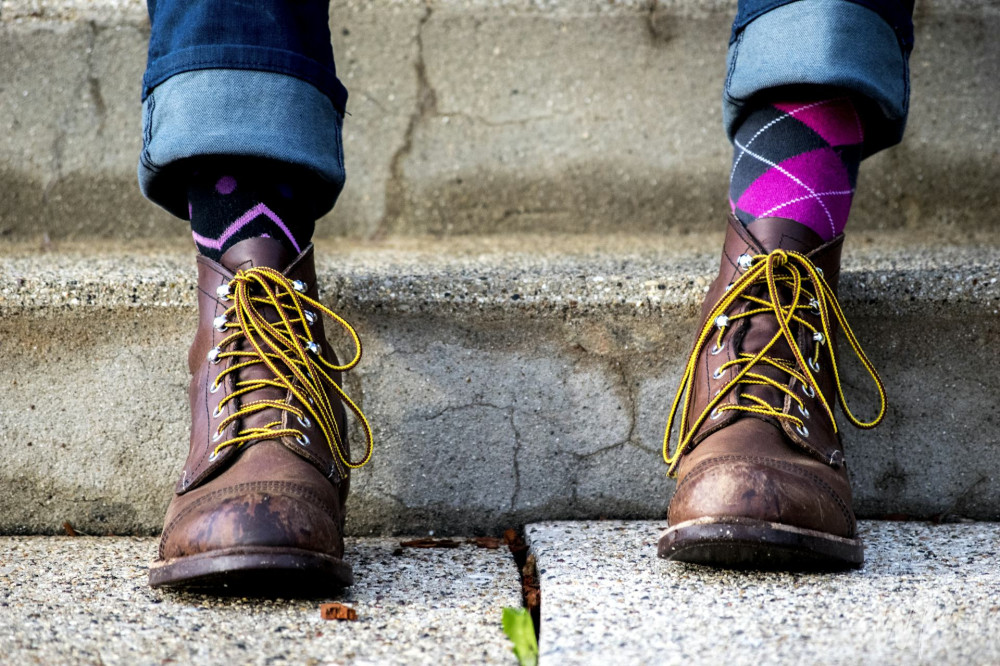
Originally designed in the mid-19th century as a practical outdoor and hunting shoe, the Derby eventually made its way into city life. It became a favorite for everyday wear, offering a balance between elegance and ease. Today, it’s the go-to option for business casual looks or smart weekend outfits.
Derbies come in a range of materials, from polished leather to soft suede, and in colors from classic brown to deep oxblood. A well-made pair can be dressed up with slacks or down with jeans, making it one of the most versatile shoes a man can own.
Brogues, Monk Straps, and Loafers – Variations with Character
Beyond Oxfords and Derbies, several other classic styles have left their mark on men’s fashion:
- Brogues – Recognizable by their decorative perforations, brogues were originally designed for the wet Scottish countryside, allowing water to drain from the shoes. Today, they’re a stylish choice for both formal and casual occasions.
- Monk Straps – Distinguished by their buckle closures instead of laces, monk straps combine elegance with a modern edge. They’re ideal for men who want something distinctive yet refined.
- Loafers – Slip-on shoes that rose to prominence in 20th-century America, loafers embody comfort and sophistication. From penny loafers to tassel styles, they’re equally at home in the office or on a weekend outing.
These variations show how men’s shoes have evolved from purely functional items into expressions of personality and taste.
Craftsmanship and Quality – Built to Last
No matter the style, fine craftsmanship lies at the heart of every classic men’s shoe. The best pairs are still made using traditional methods—cut, shaped, and stitched by hand. The Goodyear welt construction, in which the sole is sewn to a leather welt, ensures durability and allows for resoling, extending the life of the shoe for decades.
Proper care is essential: regular polishing, the use of cedar shoe trees, and storing shoes in a cool, dry place all help preserve their shape and shine. A well-maintained pair of leather shoes isn’t just an accessory—it’s an investment in comfort and longevity.
The Role of the Classic Shoe in the Modern Wardrobe
Today, the lines between formal and casual wear are more fluid than ever. A brown Oxford can complement dark denim, while a black Derby can pair effortlessly with a tailored suit. The key is balance—mixing tradition with personal style.
Classic men’s shoes are no longer reserved for boardrooms or special occasions. They’ve become part of everyday life, representing an appreciation for craftsmanship and attention to detail. That’s why they remain relevant, no matter how trends shift.
From Past to Future
From the first Oxfords worn by English scholars to today’s contemporary interpretations, men’s shoes have maintained their status as icons of quality and style. They bridge the gap between heritage and modernity, between function and fashion.
Whether you favor the structured Oxford, the easygoing Derby, or a more adventurous design, your shoes tell a story—about who you are, what you value, and your respect for timeless craftsmanship that never goes out of style.
Læs også: