Materials for Every Season – How to Choose Comfortable Clothing Year-Round

Materials for Every Season – How to Choose Comfortable Clothing Year-Round
Dressing comfortably isn’t just about fashion—it’s about understanding fabrics and how they work with your body and the weather. Whether you’re facing a humid Southern summer, a crisp New England fall, or a chilly Midwest winter, the right material can make all the difference. Here’s a guide to choosing fabrics that keep you comfortable and stylish through every season.
Understanding Fabric Properties
Before you shop, it helps to know what different materials can do:
- Cotton – Soft, breathable, and gentle on the skin. Great for everyday wear, but it absorbs moisture and dries slowly.
- Wool – Naturally insulating and temperature-regulating. Keeps you warm in winter but still allows airflow.
- Linen – Lightweight and airy, perfect for hot weather. It wrinkles easily, but that’s part of its relaxed charm.
- Synthetic fibers (polyester, nylon, spandex) – Durable, quick-drying, and often used in activewear. However, they can trap heat and feel less breathable.
- Blends – Combine the best of both worlds, like cotton with a touch of spandex for stretch and comfort.
Knowing these basics helps you choose clothing that fits both your climate and your lifestyle.
Spring – Layers and Light Textures
Spring weather can be unpredictable—sunny one day, chilly the next. Layering is key so you can adjust as temperatures change.
- Base layer: A breathable cotton or merino wool tee that wicks moisture.
- Middle layer: A lightweight sweater or fleece for warmth without bulk.
- Outer layer: A windbreaker or light rain jacket to handle spring showers.
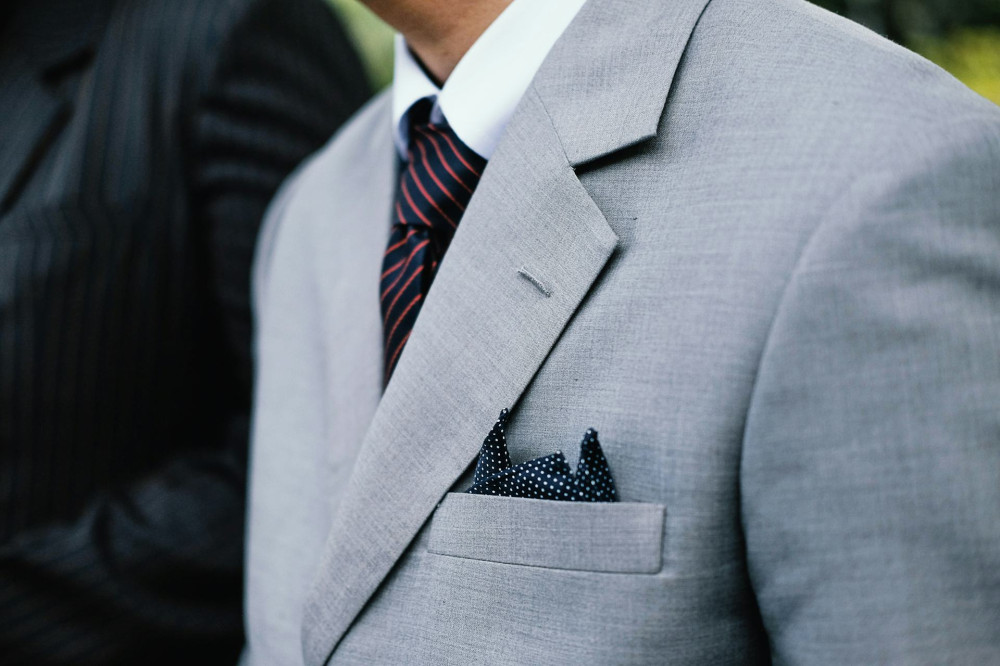
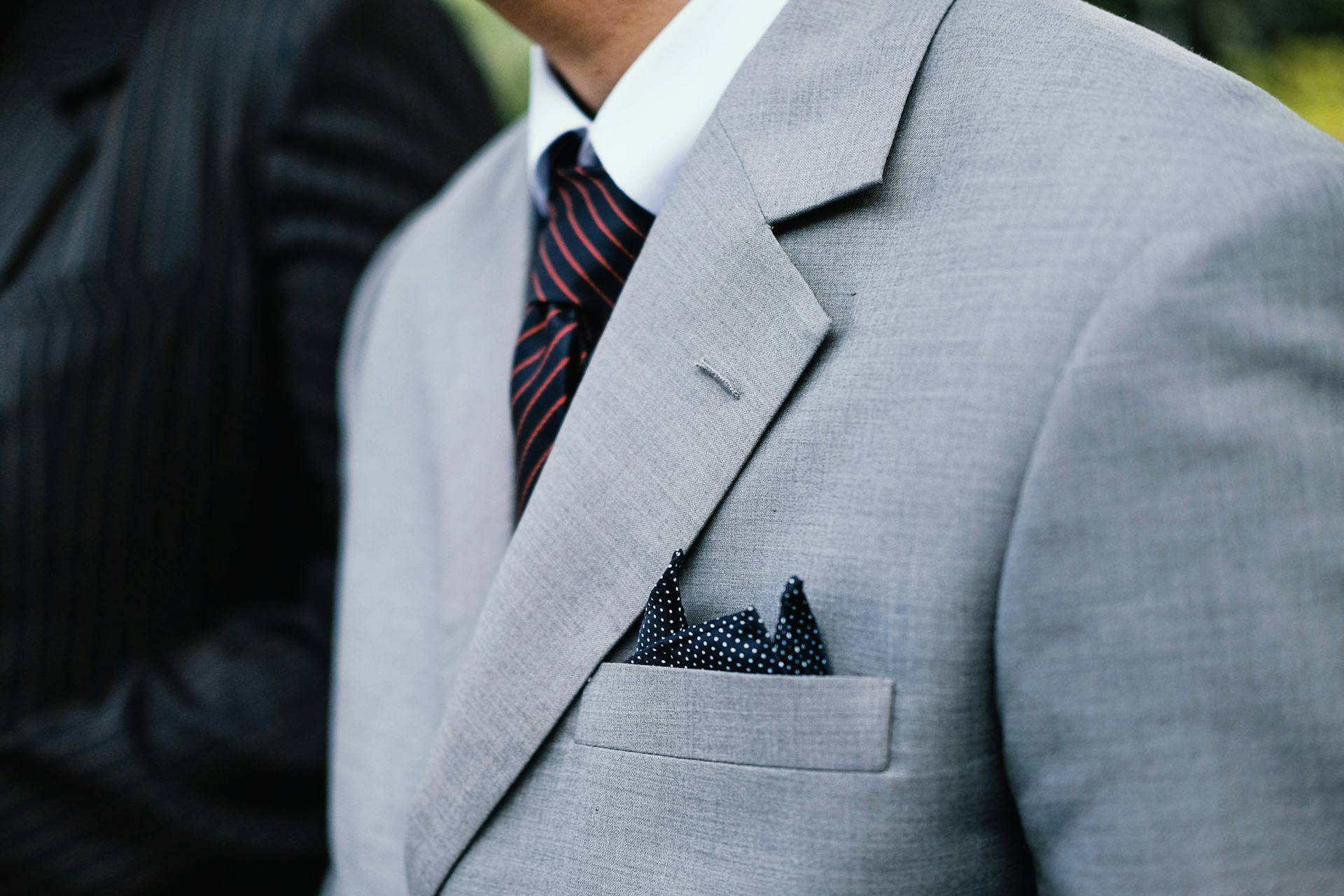
Linen and cotton shirts pair well with chinos or jeans, while a light wool blazer can dress things up without overheating.
Summer – Breathability and Cool Comfort
When the heat sets in, your clothes should help your body stay cool. Natural fibers that allow airflow are your best friends.
- Linen is the ultimate summer fabric—cool, crisp, and effortlessly stylish.
- Cotton poplin and seersucker are great for shirts and dresses, offering structure without trapping heat.
- Avoid heavy synthetics that can feel sticky in humidity.
For bottoms, choose lightweight cotton or linen shorts and pants. Canvas sneakers or sandals made from natural materials will help your feet breathe.
Fall – Warmth and Texture
As the air turns cooler, it’s time to bring in richer textures and warmer fabrics. Fall is all about cozy layers and earthy tones.
- Wool and flannel are perfect for shirts and pants—they hold warmth and feel soft against the skin.
- Tweed and corduroy add depth and character to your wardrobe.
- A light wool coat or quilted jacket works well for transitional weather.
Colors like rust, olive, navy, and charcoal reflect the season’s natural palette and pair easily with other neutrals.
Winter – Insulation and Function
When temperatures drop, staying warm without feeling bulky is the goal. The right materials will trap heat while letting moisture escape.
- Wool remains the top choice for sweaters, coats, and socks. Merino wool is especially soft and non-itchy.
- Down and synthetic insulation provide excellent warmth in jackets and parkas.
- Fleece and softshell fabrics make great mid-layers for outdoor activities.
Stick to the layering principle: a moisture-wicking base, an insulating middle, and a wind- or waterproof outer layer. This combination keeps you warm and dry, whether you’re commuting or hiking.
Læs også:



Building a Year-Round Wardrobe
A versatile wardrobe doesn’t require endless pieces—just smart choices. Focus on quality, comfort, and adaptability.
- Invest in timeless basics made from durable materials, like a wool sweater, a crisp cotton shirt, and a lightweight jacket.
- Choose neutral colors that mix and match easily.
- Opt for layer-friendly pieces—a cardigan can work solo in spring or under a coat in winter.
- Practice proper care—wash wool gently, air-dry linen, and follow fabric-specific instructions to extend the life of your clothes.
With a thoughtful selection, you can dress comfortably and confidently no matter the season.
Comfort and Style in Harmony
Choosing the right materials isn’t just about practicality—it’s about feeling good in what you wear. When your clothes breathe, move, and adapt with you, comfort becomes effortless. That’s the true foundation of personal style—year-round.
Læs også: