Nature’s Patterns in Danish Children’s Clothing

Nature’s Patterns in Danish Children’s Clothing
In recent years, nature has found its way into the wardrobes of Danish families — not only for adults but especially for children. Flowers, leaves, animals, and organic shapes decorate everything from baby bodysuits to rainwear, and these natural motifs have become a hallmark of Danish design. But what draws designers and parents alike to nature’s patterns, and what does this say about the Danish approach to aesthetics and sustainability?
A Nordic Affection for Nature
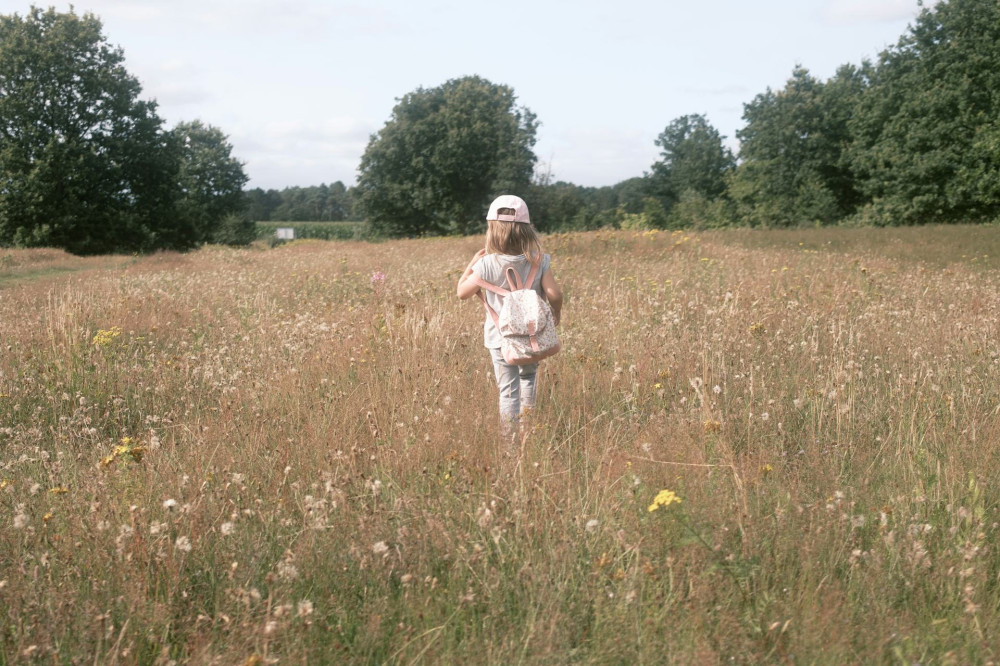
Danish design has always been closely tied to the natural world. From furniture and architecture to fashion, simplicity and harmony with nature are central values. In children’s clothing, this connection is visible in muted colors, soft materials, and prints inspired by forests, oceans, and skies. Brands such as MarMar Copenhagen, Konges Sløjd, and Hummel Kids often use nature’s own palette: dusty greens, warm earth tones, and gentle blues. The result is a calm, timeless look that reflects the Scandinavian lifestyle, where nature is part of everyday life.
For many Danish parents, these choices go beyond style. They represent a desire to surround children with calm, natural beauty — a counterbalance to the fast-paced, digital world that defines modern childhood.
Patterns with Purpose
Nature-inspired prints are more than decoration. They can spark curiosity and help children connect with their surroundings. A shirt covered in birds or a dress with seashells can become a starting point for conversations about seasons, animals, and the environment. Some Danish designers intentionally incorporate this educational element, seeing clothing as a way to bring nature closer to children — even those growing up in urban settings.
Nature’s patterns are also timeless. While cartoon characters or pop-culture icons may quickly go out of style, a print of leaves or stars remains relevant year after year. This makes the clothing more durable in both design and use — and therefore more sustainable.
Læs også:

Sustainability and Natural Materials
When nature inspires the design, it often influences the materials as well. Many Danish children’s clothing brands prioritize organic cotton, recycled polyester, or responsibly sourced wool. This focus is not only about protecting the environment but also about comfort and health. Children’s skin is sensitive, and natural fibers provide breathability and reduce irritation.
Several brands go further by obtaining GOTS certification or Oeko-Tex Standard 100, ensuring that production meets strict environmental and safety standards. In this way, nature’s patterns become part of a broader commitment to sustainability — not just a visual theme.
From Forest Floor to Fabric – The Design Process
Behind the simplicity of these prints lies a thoughtful creative process. Many Danish designers find inspiration directly outdoors — a walk in the woods, a day by the sea, or a glance at a garden can spark a new collection. Designers often sketch patterns by hand before refining them digitally, carefully selecting colors that balance playfulness and elegance. The result is clothing that is both practical and poetic — made to be worn, but also to tell a story.
Nature as Part of Everyday Storytelling
For children, clothing is part of their identity and imagination. A sweater with forest animals or a raincoat with raindrop prints can become part of their play — an invitation to explore, discover, and dream. When nature becomes part of what children wear, it also becomes part of their daily lives. This can nurture environmental awareness and a sense of connection to the world around them from an early age.
A Trend with Roots and a Future
Nature’s patterns in Danish children’s clothing are more than a passing trend. They continue a long-standing design tradition that values simplicity, functionality, and respect for the environment. As sustainability and conscious consumption become increasingly important worldwide, this Danish approach offers inspiration far beyond Scandinavia. It points toward a future where nature not only inspires design — but also guides how we create, produce, and live.
Læs også: