The Dress’s Journey Through Women’s Fashion – From Functionality to Freedom


The Dress’s Journey Through Women’s Fashion – From Functionality to Freedom
For centuries, the dress has been more than just a garment. It has reflected women’s roles, aspirations, and the societies they lived in. From the restrictive corsets of the 18th century to today’s effortless silhouettes, the evolution of the dress tells a story of transformation — from practicality and conformity to individuality and freedom.
From Practical Garment to Symbol of Status
In early American history, dresses were primarily functional. Colonial women wore simple linen or wool gowns suited to daily chores and the harsh climate. Yet even then, fabric and decoration revealed social standing. Wealthier women displayed imported silks and fine lace, while working women relied on durable homespun cloth. Modesty and propriety were key — the dress was meant to protect and conceal, not to express.
By the 18th and early 19th centuries, fashion mirrored European influence. The elaborate gowns of the upper classes, with tight corsets and voluminous skirts, were as much about status as style. Movement was limited, but that was the point: a woman’s restricted body symbolized refinement and privilege.
The 19th Century: Ideals and Early Rebellion
The 1800s brought industrialization, new fabrics, and the beginnings of mass production. Dresses became more accessible, but ideals of femininity remained rigid. The hourglass figure — achieved through corsets and layers — dominated fashion. Yet as women entered public life through education, reform movements, and work, they began to question the physical and social constraints of their clothing.
The “dress reform” movement emerged in the mid-19th century, advocating looser, more practical garments. The so-called “reform dress” or “bloomer costume,” named after American activist Amelia Bloomer, challenged convention. Though mocked at the time, it planted the seeds for a new relationship between women and what they wore — one based on comfort, autonomy, and purpose.
Læs også:




The 20th Century: From Corsets to Confidence
The 20th century revolutionized women’s fashion. After World War I, women’s lives changed dramatically — they worked, voted, and demanded freedom in every sense. Designers like Coco Chanel and American innovators such as Claire McCardell introduced dresses that were simple, functional, and liberating. The flapper dresses of the 1920s, with their dropped waists and shorter hemlines, embodied a new spirit of independence and joy.
The 1950s brought a return to femininity, with cinched waists and full skirts reflecting postwar domestic ideals. Yet by the 1960s, the pendulum swung again. The minidress, popularized by designers like Mary Quant and embraced by American youth, became a symbol of rebellion and empowerment. The dress was no longer a uniform of constraint — it was a declaration of freedom.
The Modern Dress: Expression and Empowerment
Today, the dress is whatever a woman wants it to be. It can be professional, playful, or political. From the sleek lines of a power dress to the flow of a bohemian maxi, the modern dress celebrates diversity and choice. American designers continue to push boundaries, blending comfort, sustainability, and inclusivity.
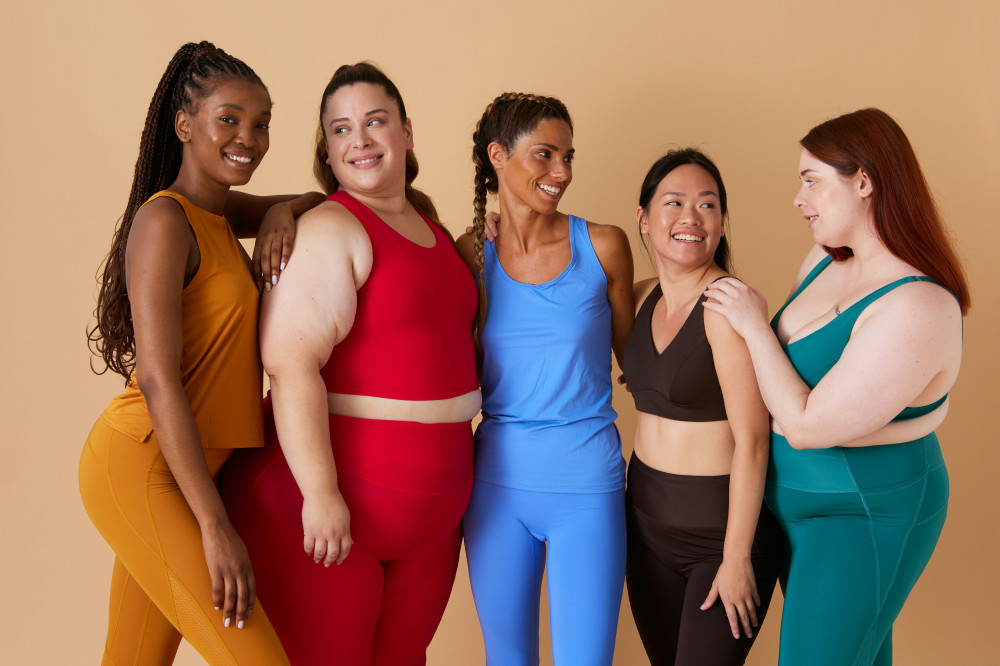
Movements for body positivity and ethical fashion have reshaped how we think about clothing. The dress is no longer about shaping the body to fit an ideal — it’s about designing clothes that fit real bodies and real lives. Whether made from recycled fabrics or tailored for all sizes, the modern dress reflects a broader cultural shift toward authenticity and self-acceptance.
From Symbol to Self-Expression
The journey of the dress mirrors the journey of women themselves — from being defined by society to defining themselves. Once a symbol of restriction, the dress has become a canvas for creativity, confidence, and freedom. In every stitch and silhouette, it tells a story of progress: a story of women who chose not just what to wear, but who to be.
Læs også: