Contrasting Colors with Intention – Create Energy and Balance in Your Outfit

Contrasting Colors with Intention – Create Energy and Balance in Your Outfit
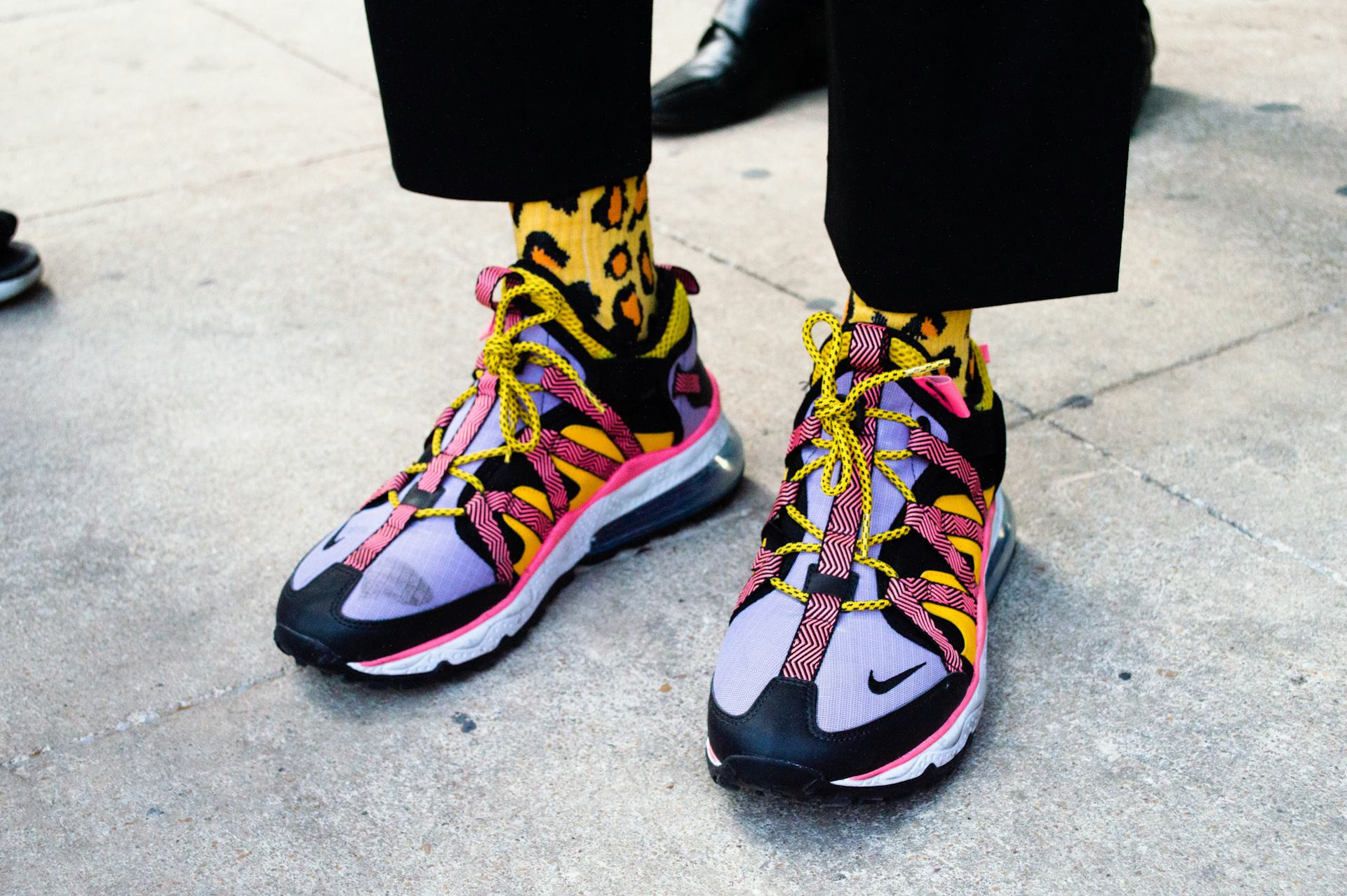
Color is one of the first things people notice about what you’re wearing. It can express personality, set a mood, and influence how others perceive you. But when it comes to contrasting colors—those that stand in strong opposition to each other—it takes a bit of finesse to strike the right balance. Too much contrast can feel chaotic, while too little can make your look fall flat. Here’s how to use contrast with intention, so your outfit feels both energetic and harmonious.
What Are Contrasting Colors?
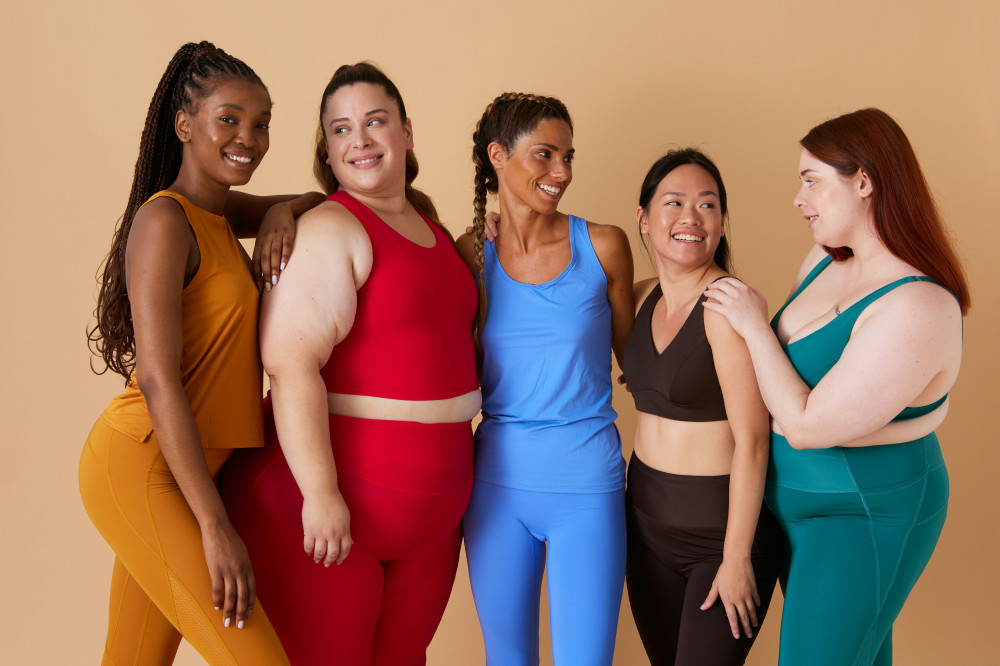
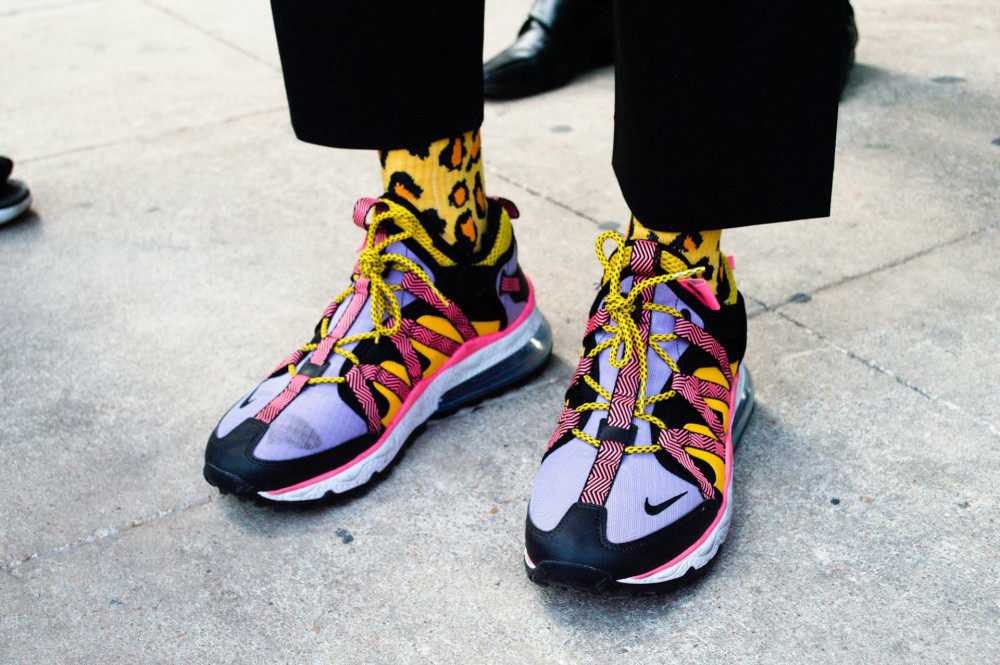
Contrasting colors are those that sit opposite each other on the color wheel—like blue and orange, red and green, or yellow and purple. When paired, they make each other pop, creating a vibrant and eye-catching effect. That’s why a cobalt dress with orange heels or a green shirt with red accents can look so striking.
But contrast isn’t just about color opposites. It can also come from differences in brightness (light vs. dark), temperature (warm vs. cool), or texture (matte vs. shiny). Playing with multiple types of contrast adds depth and personality to your look.
Start with a Neutral Base
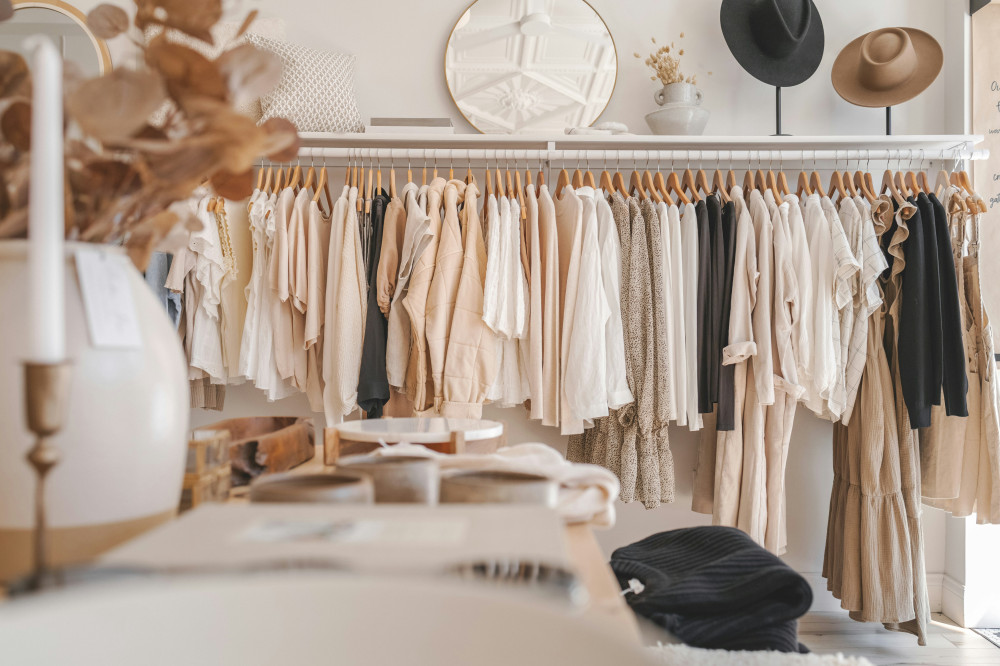
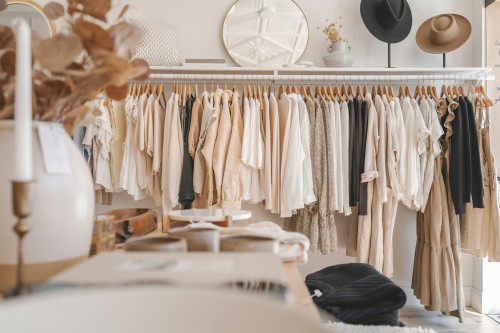
If you’re unsure how to work with contrasting colors, begin with a neutral foundation. Shades like black, white, gray, beige, or navy act as calm backdrops that let your accent colors shine without overwhelming the outfit.
For example, a crisp white blouse and dark jeans can come alive with a pair of red flats or a green handbag. It’s a simple way to add energy without losing cohesion.
Læs også:

Use the 60-30-10 Rule
A tried-and-true stylist trick for color balance is the 60-30-10 rule:
- 60% of your outfit should be a dominant color (often a neutral).
- 30% should be a secondary color that complements the first.
- 10% should be an accent color—often a bold contrast that adds excitement.
For instance: a camel coat (60%), a forest-green dress (30%), and a coral clutch (10%). The result feels balanced yet lively.
Contrasts with Personality
Colors influence mood and send subtle messages. You can use contrasts to express who you are or the vibe you want to project.
- Red and green – bold and confident, but best when one color takes the lead.
- Blue and orange – fresh and modern, great for a casual yet polished look.
- Yellow and purple – creative and artistic, but often best in softer tones to avoid visual overload.
If you prefer a more understated style, try contrasts within the same color family—like navy and sky blue, or olive and mint. These combinations create depth without feeling too dramatic.
Let Texture Do the Talking
Contrast isn’t limited to color. Mixing materials can make an outfit more dynamic. Think wool with silk, denim with leather, or cotton with satin. Texture contrast adds visual interest and a tactile element—especially when your color palette is subtle.
For example, a black leather jacket over a white cotton tee and gray wool trousers creates contrast in both color and texture, giving your outfit dimension without being flashy.
Consider the Whole Picture
When working with contrast, think beyond clothing. Shoes, jewelry, makeup, and even your hairstyle contribute to the overall balance. A pair of colorful earrings might be all you need to energize a neutral outfit, while a bold lipstick can serve as the perfect accent.
Lighting also matters. An outfit that looks balanced in daylight might appear different under evening lights. Check your look in various settings to ensure your contrasts still feel intentional.
Find Your Own Rhythm
There are no strict rules for using contrasting colors—only guidelines to help you start. The most important thing is that you feel comfortable and authentic. Colors shouldn’t just look good; they should feel right for you.
Begin with small contrasts and build from there. You might discover that you love subtle tonal shifts—or that you thrive on bold, high-energy combinations. Either way, it’s about finding your personal balance between vibrancy and harmony.
Læs også: