From Idea to Finished Design: The Creative Process of Clothing

From Idea to Finished Design: The Creative Process of Clothing
When we pick up a new piece of clothing in a store, few of us stop to think about the long and intricate journey it has taken from the first spark of inspiration to the finished design. Behind every cut, color, and detail lies a creative process where imagination, craftsmanship, and strategy come together. In this article, we’ll explore how fashion designers in the United States bring their ideas to life—from the first sketch to the final garment hanging on the rack.
Inspiration – Where Ideas Begin
Every design starts with an idea. For some designers, inspiration comes from a feeling, a memory, or a visual impression. For others, it’s sparked by a cultural movement, a new fabric, or a social issue. American designers often draw from the country’s diverse landscapes and cultures—urban street style in New York, the relaxed coastal vibe of California, or the heritage craftsmanship of the South.
Many designers begin by creating a mood board—a collage of images, colors, textures, and words that capture the essence of the collection. This visual guide helps maintain a consistent creative direction throughout the process.
From Sketch to Concept
Once the idea takes shape, it’s time to translate it into tangible designs. Designers sketch their first concepts—sometimes by hand, sometimes digitally—experimenting with silhouettes, proportions, and details. These early drawings form the foundation of the collection’s overall look and feel.
At this stage, creativity meets strategy. Designers think not only about aesthetics but also about functionality and audience. Who will wear this piece? What story does it tell? How does it fit into the upcoming season or current trends? These questions help refine the concept into a cohesive vision.
Læs også:

Materials and Colors – The Power of Touch and Tone
The choice of materials and colors defines how a design feels and moves. A dress made from silk conveys something entirely different than one made from denim or recycled polyester. Designers spend hours testing fabrics, feeling their textures, and seeing how they drape on the body.
Color palettes are often established early in the process. They reflect the mood of the collection and align with broader fashion trends. Many American brands collaborate with color experts and trend forecasters to anticipate which shades will resonate with consumers in the coming season.
Construction and Prototypes
Once the design is finalized, the process moves into construction—the technical stage where patterns are created and the garment takes form. Designers work closely with pattern makers and sample sewers to ensure that the creative vision can be realized in practice.
A prototype or sample garment is produced to test fit, shape, and details. This stage involves numerous adjustments: a seam might be moved, a hem shortened, or a fabric swapped. Only when every element aligns perfectly is the design ready for production.
Production and Sustainable Choices
Today, production is not just a technical step—it’s also an ethical one. Many American designers are increasingly focused on sustainability, choosing eco-friendly materials, reducing waste, and ensuring fair labor practices. The goal is to create clothing that looks good, feels good, and does good.
Working with manufacturers requires precision. Every detail—from thread color to zipper type—must be specified to achieve the desired result. Balancing creative vision with responsible production is one of the modern designer’s greatest challenges.
From Runway to Wardrobe
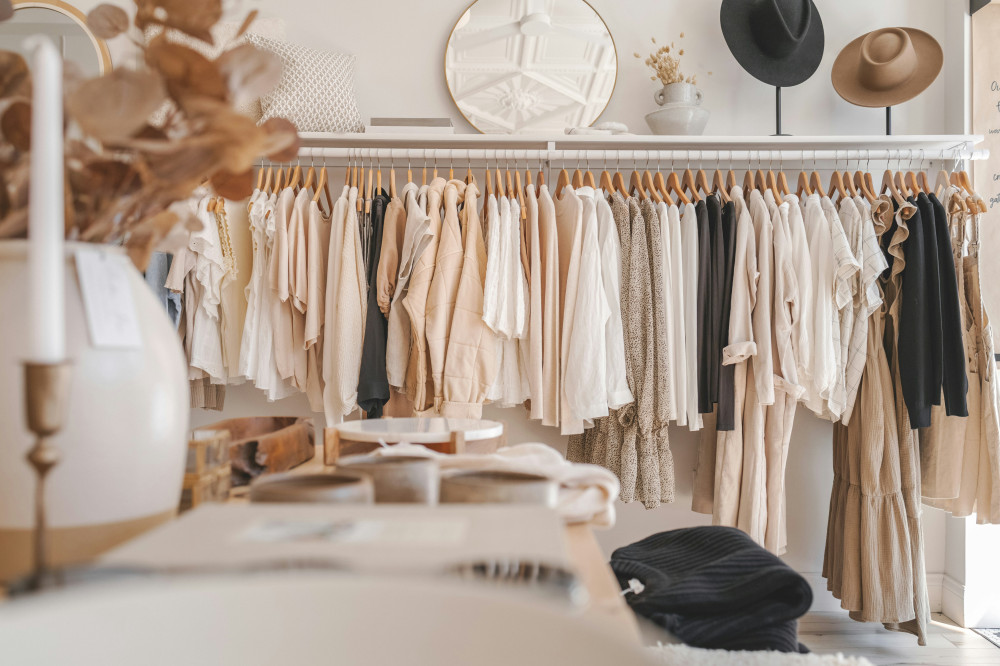
When a collection is complete, it’s often unveiled at a fashion show or trade event, such as New York Fashion Week. Here, the designer’s vision meets the public eye—buyers, journalists, and consumers see how the designs perform beyond the studio.
But the process doesn’t end there. Feedback from customers and the market helps shape future collections. Each season becomes part of a continuous cycle of learning, refining, and reinventing.
Creativity as Craft
Fashion design is more than inspiration and aesthetics—it’s a craft that demands patience, technical skill, and collaboration. The creative process is a journey from thought to reality, where every decision—from sketch to stitch—shapes the final expression.
The next time you slip on a new piece of clothing, take a moment to appreciate the creativity, experimentation, and dedication behind it. Clothing isn’t just something we wear—it’s the result of a thoughtful process that unites idea, form, and emotion.
Læs også: