Tell the Story Behind Your Heirloom Jewelry – How to Document Its Origin

Tell the Story Behind Your Heirloom Jewelry – How to Document Its Origin
An heirloom piece of jewelry is more than gold, silver, or gemstones – it’s a piece of family history that carries memories, emotions, and stories from one generation to the next. But over time, those stories can fade: Who wore it first? When was it made? What did it mean to your family? By documenting the origin of your heirloom jewelry, you can preserve both its sentimental and historical value for the future. Here’s how to get started.
Begin with What You Know
Start by gathering the information you already have. Maybe you know that the ring belonged to your great-grandmother, or that the brooch was a wedding gift in the 1930s. Write down every detail, even if you’re not completely sure. Small clues can later help fill in the bigger picture.
Talk to relatives who might know more. Older family members often remember who wore a particular piece or where it was purchased. Record these conversations or take notes so the information isn’t lost over time.
Examine the Jewelry Itself
The jewelry can reveal a lot about its own history. Look closely for hallmarks, engravings, or distinctive design features.
- Hallmarks can indicate the metal’s purity, the maker, and sometimes the country or city of origin. In the United States, you might find marks such as “14K” or “18K” for gold, or a maker’s stamp that can be traced through online databases or jewelry reference books.
- Engravings may include initials, dates, or short messages that point to a specific event or person.
- Design and style can help you identify the era – for example, geometric Art Deco pieces from the 1920s or bold, sculptural designs from the 1970s.
If you’re uncertain, a jeweler or appraiser who specializes in antique or vintage jewelry can help you date and evaluate the piece.
Search for Documentation and Photos
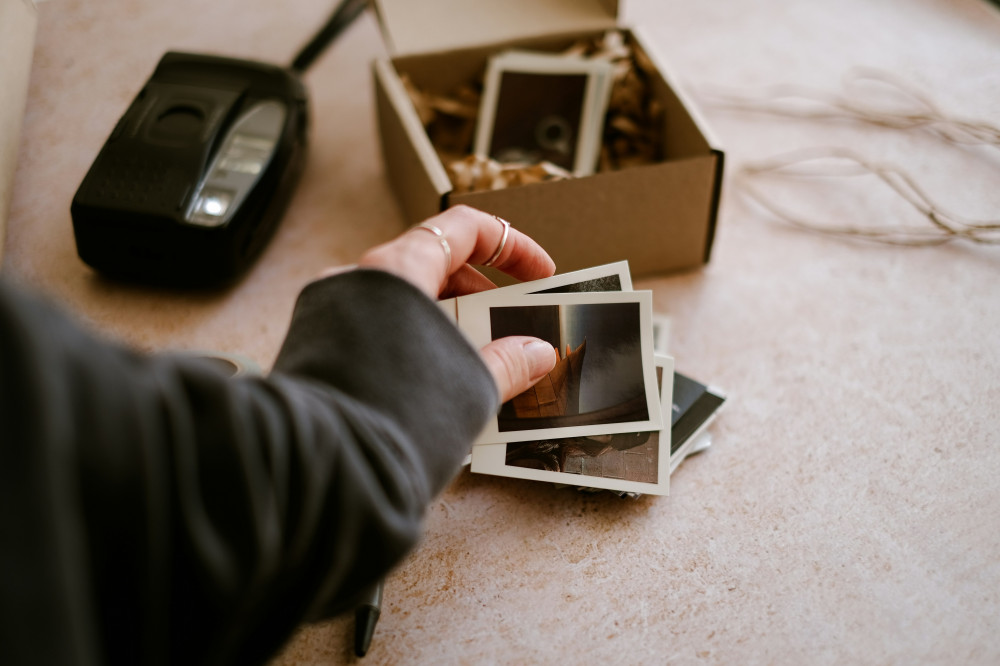
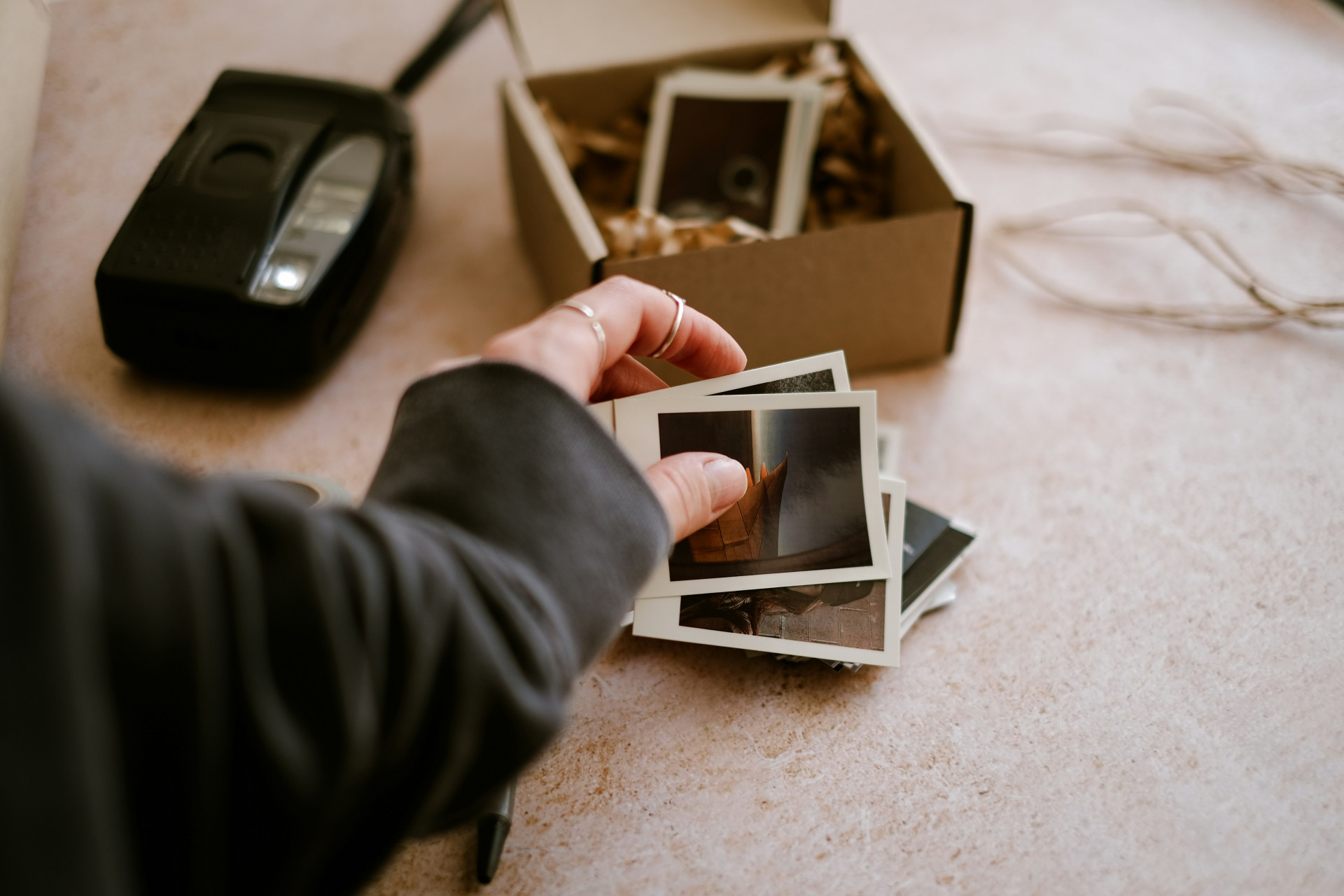
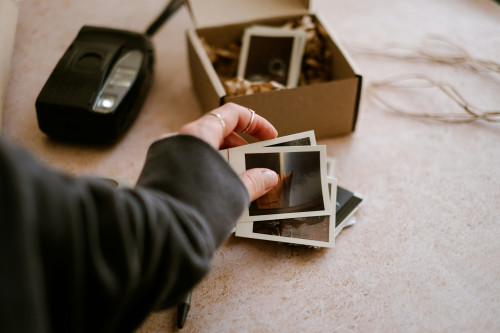
Old photographs, letters, or receipts can be invaluable when tracing your jewelry’s story. Look through family albums – you might find a picture of your grandmother wearing the necklace at her wedding or your father presenting a ring as an engagement gift. Note who is in the photo and when it was taken.
Check drawers, boxes, and family papers for jewelry boxes, certificates, or repair receipts. These can provide clues about where the piece was purchased or who owned it before you.
Write Down the Story
Once you’ve gathered your information, it’s time to bring it all together. Write a short narrative about the piece: who owned it, how it was passed down, and what it has meant to your family. It doesn’t have to be long – the goal is to preserve the story in your own words.
Keep the written story with the jewelry, perhaps in a small folder or envelope. Some families create a digital document or a “family jewelry book” with photos and descriptions of each heirloom. This makes it easy to share and update over time.
Læs også:

Consider a Professional Appraisal
If the jewelry has significant monetary or historical value, consider having it appraised by a professional. An appraisal can provide insight into the materials, craftsmanship, and potential market value. It’s also useful for insurance purposes or estate planning.
A professional evaluation can confirm or expand on the family history you’ve already collected, adding another layer of authenticity to your documentation.
Share the Story with the Next Generation
An heirloom truly comes alive when its story is shared. Tell your children or grandchildren about the piece so they understand its background when it eventually becomes theirs. You might even include a handwritten note explaining why it’s meaningful to you.
That way, the jewelry isn’t just a beautiful object – it becomes a living memory that connects generations.
A Legacy That Lasts
Documenting your heirloom jewelry isn’t only about preserving facts; it’s about keeping emotions, traditions, and identity alive. When you know the story behind a piece, it becomes more than an accessory – it becomes a symbol of continuity, love, and family heritage.
Take the time to gather those stories now. Future generations will thank you for it.
Læs også: