Tradition Meets the Present: Modern Interpretations of Timeless Jewelry Classics

Tradition Meets the Present: Modern Interpretations of Timeless Jewelry Classics
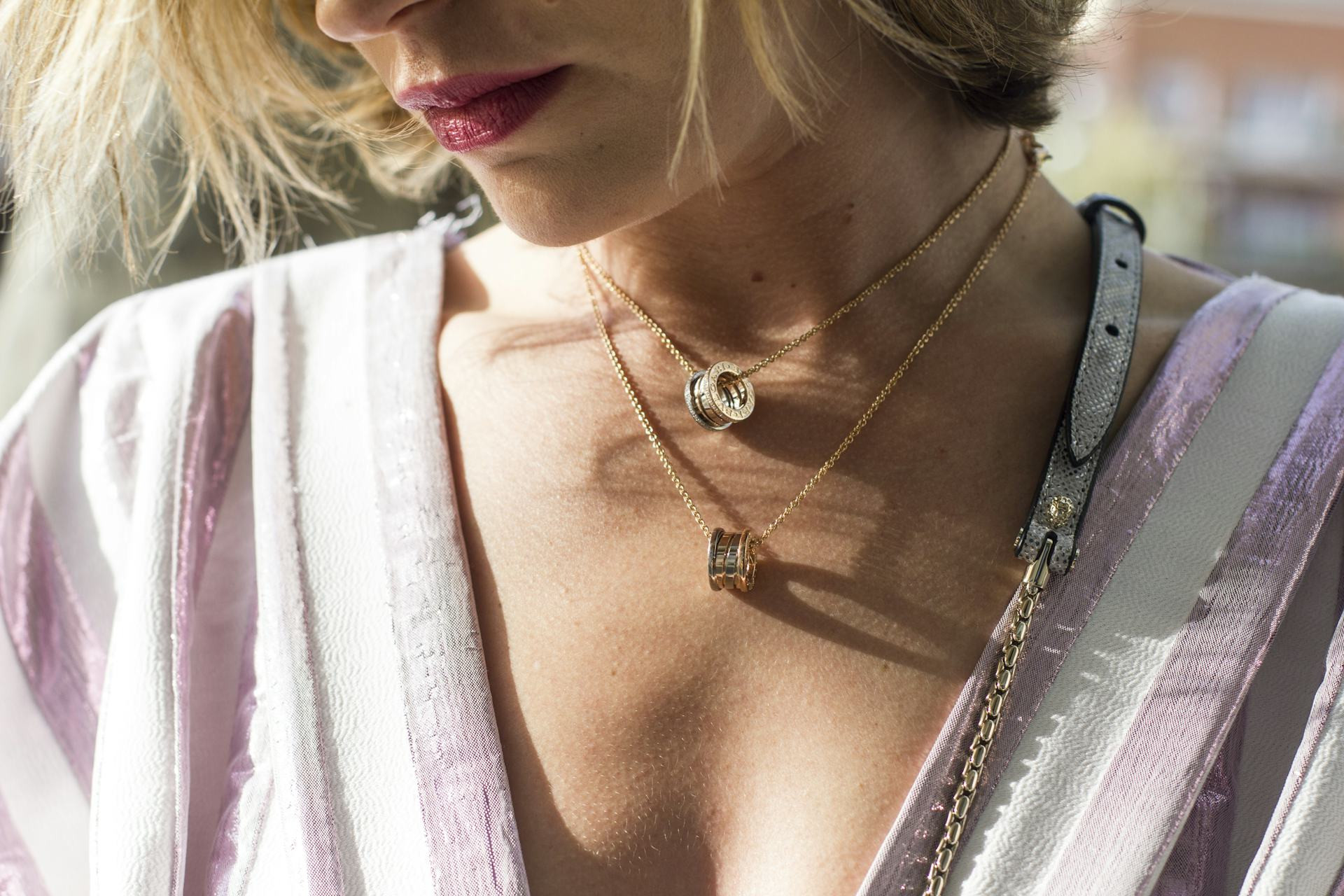
Jewelry has always been more than decoration. It tells stories, marks milestones, and reflects the spirit of its time. Today, a fascinating movement is unfolding in the jewelry world: classic designs are being reimagined through a modern lens. This fusion of heritage and innovation speaks to both nostalgia and individuality. From pearls and signet rings to heirlooms reborn in new forms, timeless jewelry pieces are finding fresh life in the hands of contemporary designers.
Classics with a Modern Twist
Iconic jewelry designs—such as the pearl necklace, the gold band, and the brooch—have long symbolized elegance and status. Yet, where they were once worn according to strict conventions, they are now being reinterpreted with a more personal and playful touch.
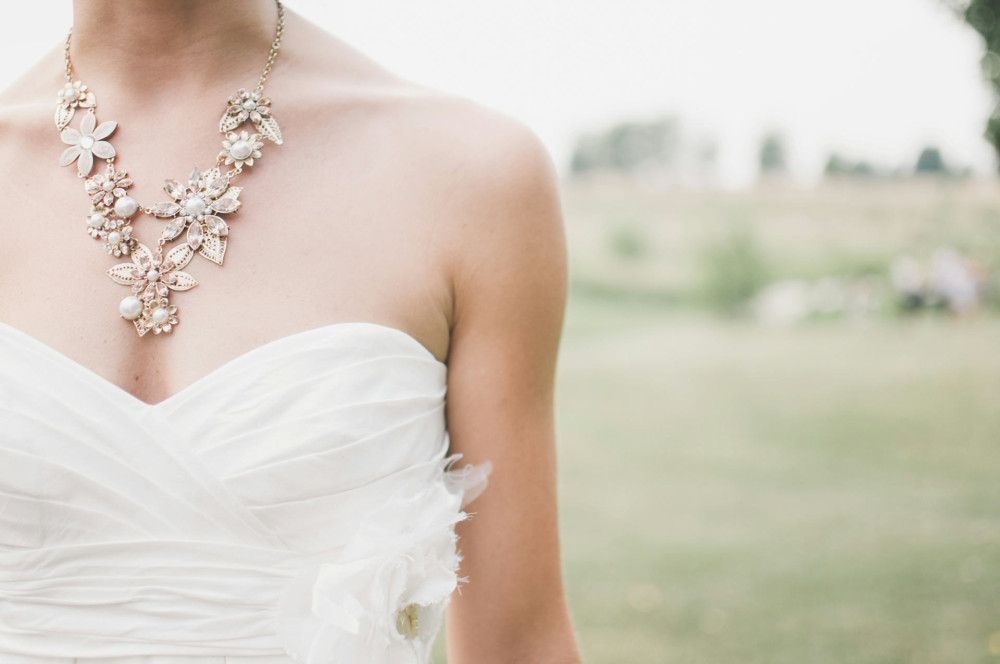
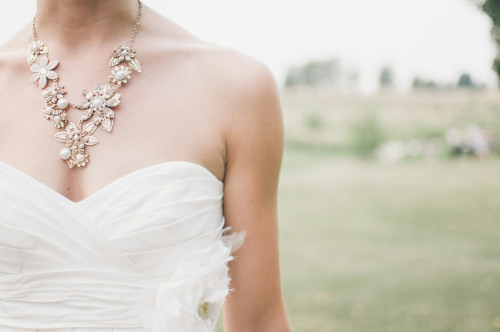
- Pearls are no longer reserved for formal occasions. Modern designers pair them with unexpected materials like leather, oxidized silver, or colorful gemstones, creating looks that feel both sophisticated and effortlessly cool.
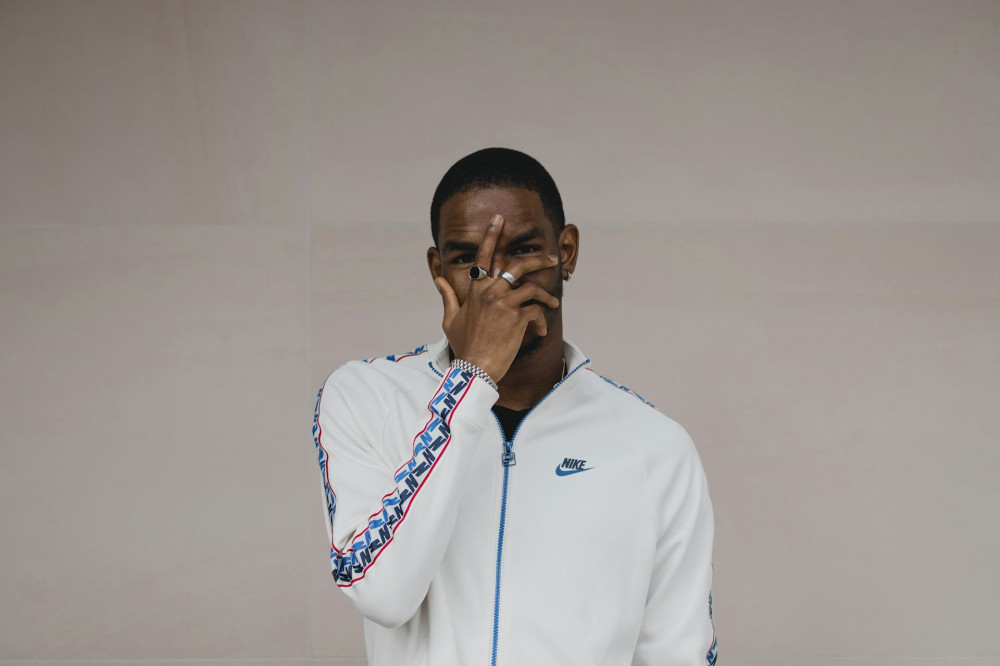
- The signet ring, once a masculine emblem of lineage and legacy, is now embraced by all genders. Minimalist engravings, abstract shapes, and mixed metals give this traditional piece a fresh, contemporary edge.
- The brooch has made a comeback as a statement accessory. It’s no longer confined to lapels—it adorns handbags, hats, and even hairstyles, adding a touch of personality wherever it’s placed.
These reinterpretations show how classic jewelry can honor its history while adapting to modern lifestyles and aesthetics.
Craftsmanship in a Digital Age
In an era dominated by digital design, there’s a renewed appreciation for the handmade. Many American jewelers are returning to traditional techniques such as hand engraving, lost-wax casting, and filigree work. Each handcrafted piece carries a sense of authenticity and individuality that mass production can’t replicate.
At the same time, technology is enhancing craftsmanship rather than replacing it. 3D printing allows for precise modeling, which artisans then refine by hand. The result is jewelry that combines the accuracy of modern tools with the soul of traditional artistry—a perfect balance between precision and personality.
This approach reflects a broader cultural shift: a desire for meaningful, lasting design in a world of fast fashion and fleeting trends.
Læs også:


Heirlooms Reimagined
Across the U.S., more people are choosing to repurpose or redesign inherited jewelry. A grandmother’s diamond ring might be reset in a sleek, modern band, or an old gold chain might be melted down to create a new pendant. This practice preserves emotional value while giving the piece a look that fits today’s style.
Sustainability plays a key role here—not just in terms of materials, but in preserving stories. When heirlooms are reinterpreted, they connect generations, turning jewelry into a living bridge between past and present.
Jewelry as Personal Expression
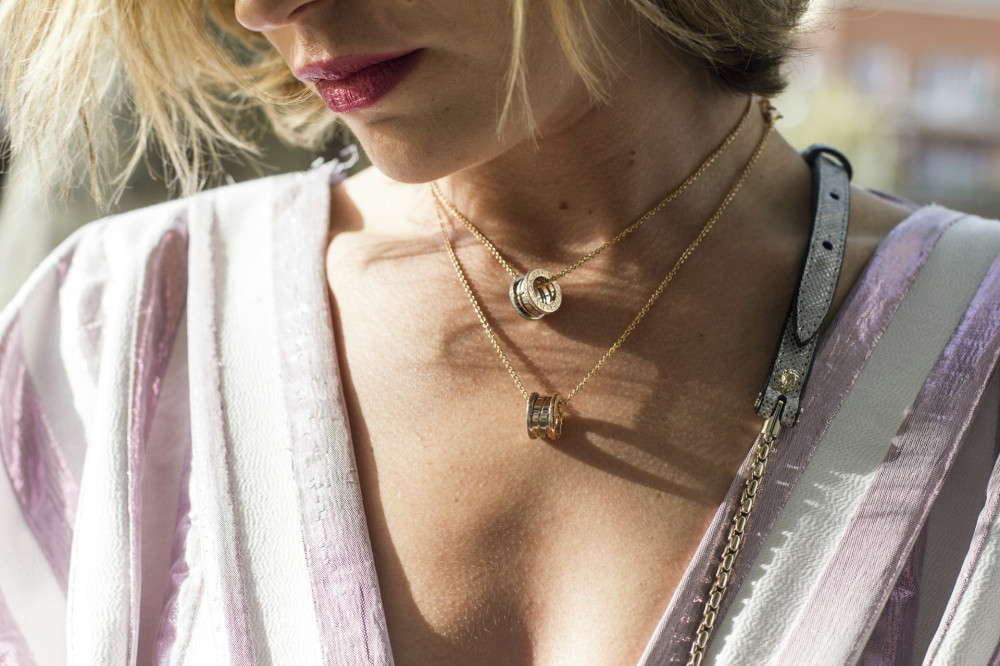
Where jewelry once followed social norms and fashion dictates, it now serves as a form of self-expression. Many Americans choose pieces that reflect their values, memories, or sense of identity. It might be a handcrafted pendant from a local artisan, a vintage find with a story, or a minimalist design that symbolizes simplicity and balance.
This shift toward personalization means that classic jewelry is no longer bound by tradition. A strand of pearls can be worn with denim, and an antique ring can be paired with modern metals—style is defined by the wearer, not the rules.
A New Era for Timeless Design
Modern jewelry design thrives in the space between reverence for tradition and the drive for innovation. It’s not about replacing the old but building upon it. When designers and wearers collaborate to reinterpret the classics, they create a dialogue between the elegance of the past and the creativity of the present.
It is in this meeting—where craftsmanship, memory, and modernity converge—that jewelry’s timelessness endures, not as something fixed, but as something that evolves with every generation.
Læs også: